![Fabric[K] Design](http://images.squarespace-cdn.com/content/v1/5846fe37ff7c5046fc8b98e8/1585703506724-ACFUCZ5FH3AGY64QWIFZ/FabricK-Design_Logo_1500x600_All+Green.png?format=1500w)

How to Finance Your Construction Project
7 basic steps for your small-scale, neighborhood land development and architectural design project.

You've Been Pre-Approved
There are a few things you should do before buying property. First, start saving for a down payment. A typical down payment for a traditional mortgage or construction loan is 20%. However, there are financial products that require as low as 3% down in exchange for higher monthly payments. Bottom line? Just start saving. The more you put down the less expensive your borrowing will be.
Second - get pre-approved for a loan. This means some financial institution has checked your credit & assets, and already pre-approved you for a certain loan amount. Sellers are typically more motivated to deal with those who have been pre-approved. It shows capability to make the transaction.
Feasibility Study (Possibility Package)

Next, you should begin looking for property if you haven’t already. Before purchasing land to build on you will need to collect the pertinent zoning and environmental information for each property. This will help you determine which sites are right for you and which ones will let you build what you want. This research and analysis is more commonly called a feasibility study and can be provided by most architects - usually at an extremely high expense. Fabric[K] Design has developed two products to make this service more robust, accessible, and cost effective for everyday hardworking people. Our Zoning and Possibility Packages are products that gather all the important regulatory information for you and help explore the possibilities of your potential project through schematic visuals. We also include other important data like a broad neighborhood analysis, all to guide you in choosing the right property for your project.
Land Is King
Once you find the right property and you like the neighborhood it’s in, find a realtor and make an offer. Real estate climates can be very unpredictable. You may have to cycle through this process a few times if someone beats you to the punch or makes a better offer. The key is to find a focus area or neighborhood that really resonates with you so that you can concentrate your efforts and research.

Design It or Buy It
Now, the design process really begins. You have two main options here. The first and most common route for individuals building a new home or similar residential product is to buy a plan set. Plan sets are pre-designed drawings of buildings that you can purchase turn-key ready. Find an architect or plan set provider, purchase the design you like and take the documents to a contractor. Depending on the set a licensed builder will be able to estimate, pull permits and build the building from these documents. Regulations vary from place to place, so there maybe some extra engineering and certification which can be handled by any licensed contractor. Plan sets are the most common way that people design their homes because it saves them time and money. The other route you can take is to have an architect design a custom building solution for you. This process takes more money and time. But the client also gets more value and service from the architect in return, not to mention a completely unique building.
Apply For Your Construction Loan
While the home is being designed or you’re choosing your plan set, you should be applying for a construction loan (unless you’ve got fat pockets). There are two main construction loan types. A Construction to Permanent Loan is two loans in one. Once approved you borrow from a line of credit to pay for construction. When the building is complete, you’ll receive a Certificate of Occupancy and the lender will then convert the construction debt into a standard permanent mortgage. Some benefits to this type of loan product are lower fees, options for 15 or 30 year paybacks, and interest is paid only during construction. A down side is that you will most likely have to put down 20%. The second is a Stand Alone Construction Loan which consists of two separate loans. One pays for construction and the other is a mortgage that pays off the cost of construction. This option is good for those with low cash flow, poor credit and the need for a lower down payment. A downside is that you pay two sets of closing costs & fees. Talk to you local lenders to determine the best option for you.
Build It

The contractor you choose will be determined by the financing product you choose. Most federal and state funded products require you to choose from a list of pre-approved contractors. If you use a private product then you (and your architect) have the liberty to choose which ever builder you’d like. Most basic architectural services will provide assistance in choosing a builder. Construction schedule for the building depends on many factors - size, complexity, weather. etc. - but as a general rule construction time for a house (building with 1-4 units inside) or small commercial building will take anywhere from 9 months to a year.
Enjoy
When the building is complete it will get inspected. If everything checks out, the inspector will give you a Certificate of Occupancy. At this point, the only thing you have to do now is move in and enjoy your newly built building.
DO YOU NEED HELP FIGURING OUT IF A CERTAIN PROPERTY IS WORTH INVESTING IN? ARE YOUR CURIOUS ABOUT A POTENTIAL DESIGN PROJECT in your neighborhood? OUR ZONING AND POSSIBILITY PACKAGES CAN HELP. LEARN MORE!
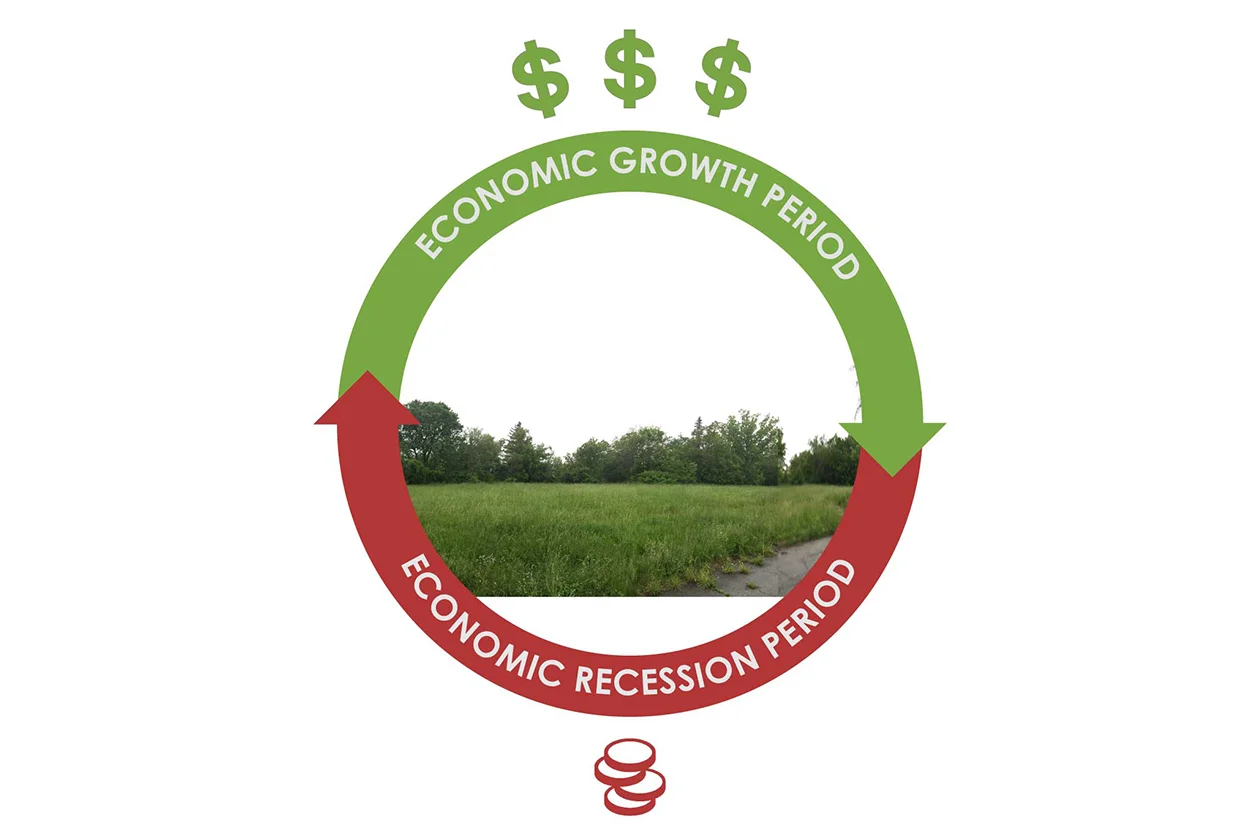
Real Estate, The Best Long Term Investment
It’s important to remember that civilizations and their economies run through regular cycles of growth and recession. When the cycle comes back around for the upturn, you want to be the one standing there with the deed & title in hand. Now is the time Detroit. "Boss up and..." well, you know the rest.
We're Not Making Anymore Land

We’re not making any more land any time soon. In fact, we might actually be losing land mass due to rising sea levels in the coming decades. A great deal of the land we do have is virtually un-buildable or very difficult to build on because of its extreme terrain. This alone has made land extremely valuable throughout human history and continues to do so today. This desire is intensified in modern society with the unprecedented levels of land development seen across the globe. So for the most part, land is a non-renewable resource and those who own it will have a valuable asset at some point depending on the prosperity of an economy. It’s important to remember that economies and civilization run through cycles. When the cycle comes back around for the upturn, you want to be the one standing there with the deed.
Versatile Investment
Land is a very versatile investment. By doing the right research and finding capital you can do just about anything with it to create some needed value (code pending): turn it into a park; build a house on it; develop retail space on it; or any mixture of these. The important point is to do your due diligence first to see what the possibilities are in a specific jurisdiction. An architect can help you gather all the pertinent information. You can also develop the land into an income property. Many people build homes, apartments, townhouses, retail & office space on land and then rent that space for a profit to those in the market for such a space. In this case the land and the property serve as an enterprise, generating revenue for the owner while providing a valuable asset to their community. In contemporary neighborhoods, real estate products that have a high demand but low supply are Missing Middle buildings - structures in between single family homes and large 30+ unit apartment buildings. With these simple, revenue generating buildings types great neighborhoods were begun by everyday folks. They were private landowners developing property and then capitalizing on that space to build wealth for themselves and their family while nurturing the neighborhood. Through a good market study and an understanding of zoning laws, property owners can turn their land into a solid long term investment. It takes money to get going. But like the songwriter 'Stretch Money' says “It takes money to make money”.
More Stable Than The Stock Market. Yes, I Said It.

Most of you are thinking, “how can this be true when we just experienced one of the worst real estate housing markets in global history”. You are correct. But there is a key difference between land and stocks. When a company experiences economic loss and depression it runs the risk of closing its doors forever (as we witnessed in 2008). But when land goes through economic depression, it simply gets devalued. It never ceases to exist (unless it goes underwater). It may be worth pennies but it’s still there. Since it still exists, it forever has the ability to experience economic gains once an economy rebounds (as we are witnessing now). The bigger issue is being able to maintain the land and/or property through said depression which can prove to be difficult. However, if you can manage that until the next economic upswing, you’ll see some worth-while gains. But you MUST "flip" your thinking and play the long game.
It's a Long Term Game
I’ve noticed a contradiction. We are obsessed with the house flipping culture - the act of buying property, doing the bare minimal amount of improvements and then selling it. We even glorify it on HGTV. We do this while at the same time complaining about the conditions and services of our neighborhoods and communities. Flipping is not a bad thing when it's done correctly. It should be used as a capital raising strategy, building funds for other more substantial land developments to be built in the same neighborhood. And there is the operative word: neighborhood. Flipping a house is a good way to make relatively small amounts of quick money. It is much less effective at improving a neighborhood and the ‘flipper’ misses out on the true ROI (Return On Investment) which comes by playing the long game. What does improve a neighborhood is a commitment to place and an investment of time and money in both the individual property and its surrounding community. When the neighborhood improves, the land inside that community also improves - tremendously.

In Detroit as we speak, people from outside of the state who understand this principle are buying property cheap. A good deal are flipping. But there is equally a good deal of people that are not flipping. They’re setting up roots. They are committing the next 5, 10, 15 years of their lives to not just improving their land but also the neighborhood, because they foresee the economic upswing coming. They are fixing up their homes piece by piece. They are planting trees on the street. They are cleaning out the alleyways. They are cutting the grass on their lawns and the lawns of unoccupied adjacent properties. They are buying the abandoned corner store at the end of the block and turning it into a record shop, or market, or coffee house. They are playing the long game. They are investors in neighborhoods and not buildings. This is how land equity and economic value can be achieved. Our only wish is that people who have lived in the city for generations realize this as well and begin take advantage of the opportunity before them along side the cohort of "New Detroiters". In order to improve neighborhoods, build wealth, and live better lives we need more commitment to place. We need more long term visionaries. People who are willing to invest in property for the long term and use a little elbow grease to make their communities what they need to be. It doesn’t happen overnight. But over time you will see returns on your investment and you will have created a great neighborhood in the process.

Nolli Map as a Tool for Small Scale Developers
The Nolli Map is the most underutilized tool in the designer/developer tool box. When used properly it provides an intimate understanding of place which creates both sentimental and monitary value for an entire neighborhood.
Small scale incremental developers are concerned with enhancing the character and economic vitality of neighborhoods through flexible, human-scaled, mixed-use buildings. In other words, a small developer’s focus is in building places the way they have been built for centuries; piece by piece adapting to changing forces along the way. This is in direct opposition to the more popular trend of development, which is to build it big and all at once. The real estate produced from this mode of development is usually expensive, poorly designed, and hinders the organic growth of a city or community. It also shows that the developer at this scale, lacks basic understanding of the neighborhoods they ‘invest’ in, either intentionally or unintentionally. This is something that a small developer does well.
Giovanni Battista Nolli's 1748 Map of Rome. The entire document is about 6ft x 7ft in dimension and comprised of 12 smaller portions. The Nolli Map has become one of the most appropriate ways to understand existing spatial relationships and plan future development.
Enter the Nolli Map, the most underutilized tool in the designer/developer tool box. A Nolli Map is a two-dimensional plan drawing used to understand the accessibility and flow of space within a city or neighborhood. The first Nolli Map was drawn by the Italian architect from where the map derives its name from, Giovanni Battista Nolli. For purposes of dividing the city into wards and planning future public works, in 1736 Pope Benedict XIV commissioned Nolli to create the most accurate plan drawing of Rome ever made. Giovanni documented every building within the city and consequently every space. Unique to the Nolli Drawing is the representation of public space inside buildings, as part of the urban realm. There is no distinction between inside and out; only space and mass. Private spaces are rendered as black and public spaces accessible to everyone are left white. The Nolli Map of Rome presented the Eternal City in a way that deepened the comprehension of its neighborhood fabric.
In 2013, Fabric[K] founder Marques King worked under architect and urbanist Dhiru Thadani, along with a team of others to produce the first Nolli Map of Seaside, Florida, the “original” New Urbanist community. Over the course of the year, the team surveyed by hand every inch of the beach town - every road, house, shop, pavilion, tree, groundcover, sidewalk, fence, and even the sand dunes. These experiences gave the team an intimate understanding of the neighborhood, equivalent and perhaps more so than the residents that live there. In almost all things, experience is the best teacher and the primary way to understanding. This is why generational residents of existing neighborhoods are in the best position to redevelop and reinvigorate their communities because they know it. And, new residents that take the time to learn the neighborhood are not far behind. These two groups are the kinds of developers that cities like Detroit need. Ones with a deep, authentic and sentimental understanding of their surroundings. The Nolli Map is a perfect way to document and compliment these understandings. It has several other advantages that offer institutional value to the small scale developer and the individual landowner. Here are four ways small developers can benefit from a Nolli Map of their target development neighborhood...
1. Understanding relationships of public and private space
The most important observation a Nolli Map reveals is the clear distinctions between public and private space. This can be simplified as “places people can go” vs. “places people can’t go”. Clear separations between the two realms are a critical component of safe neighborhoods. They also help the small scale developers comprehend the flow of space and the movement of people, goods, and money within those spaces. Public spaces include streets, squares, and walks but also porches, yards, commercial space, lobbies, and vestibules. Understanding the public vs. private relationship—or lack thereof—within a given neighborhood is the foundation for establishing walkable, human-scaled communities.
2. Uncovering the urban and architectural pattern language of a neighborhood.
Cities and neighborhoods have a language. That language is spoken in terms of spatial patterns that organize the places humans inhabit. A Nolli map will reveal these patterns both on an architectural and urban scale. Streets are the clearest examples of an urban pattern. They can be organized in a grid, linearly, radially, organically, or some hybrid of these. Certain architectural patterns will respond to the urban organization. For example at Seaside, there is an architectural pattern of porches fronting the street, acting as a mediator space between the public and private realm. As a small developer, fitting into this existing pattern language is essential to positively nurturing the walkability, sustainability, and functionality of a neighborhood. They are great clues to guide the small developer in what should be built.
3. Understand what’s missing
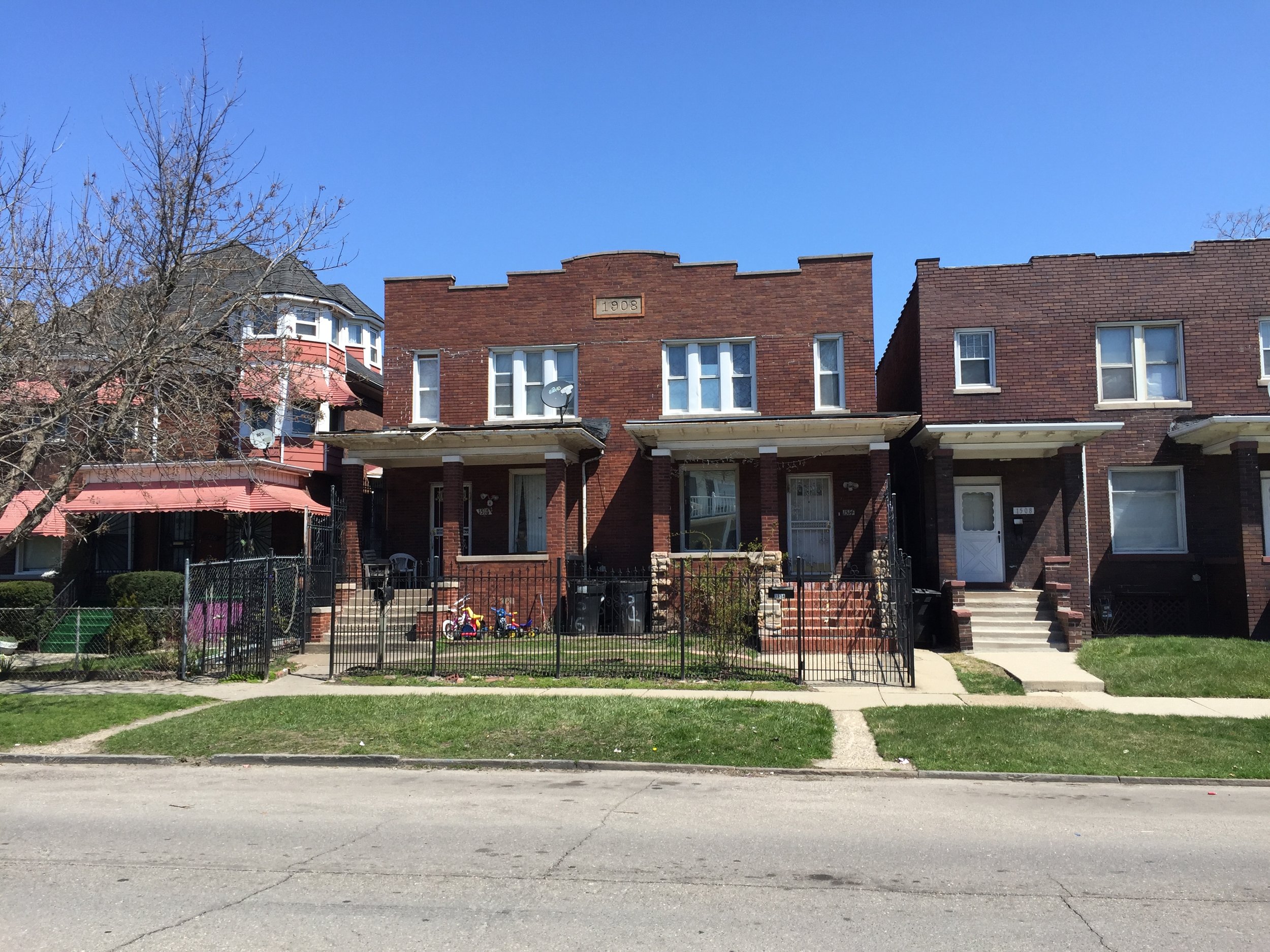
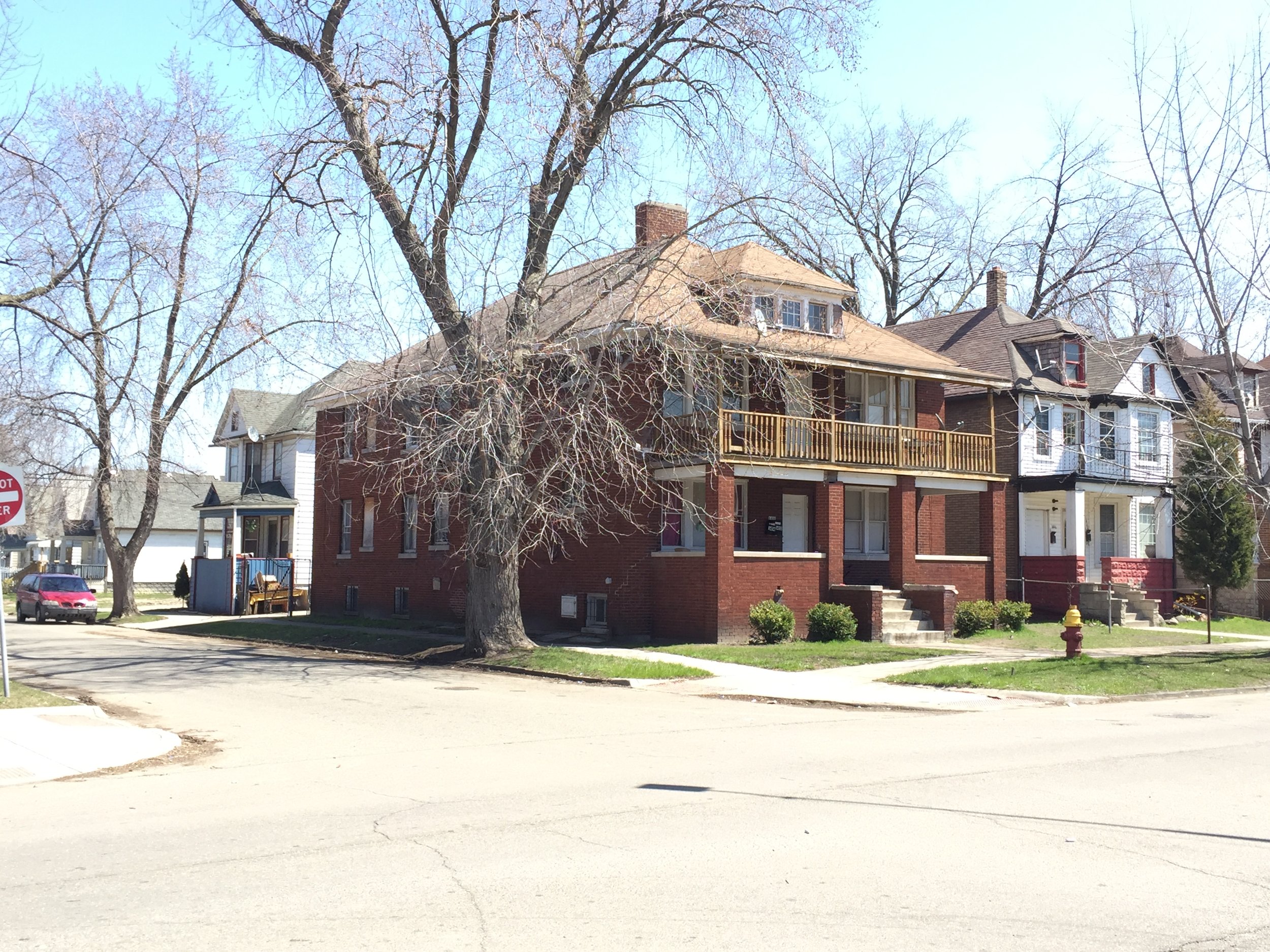
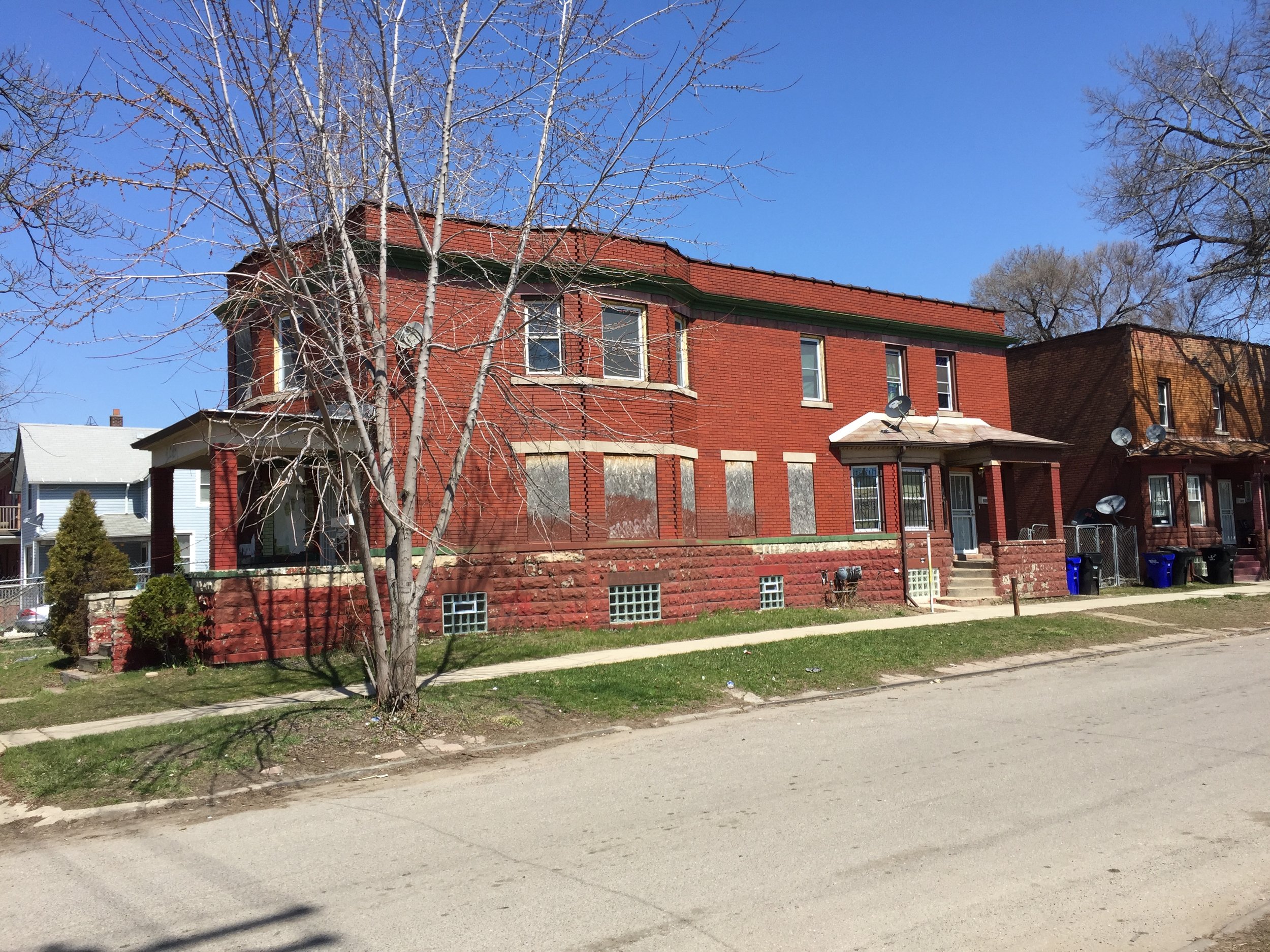
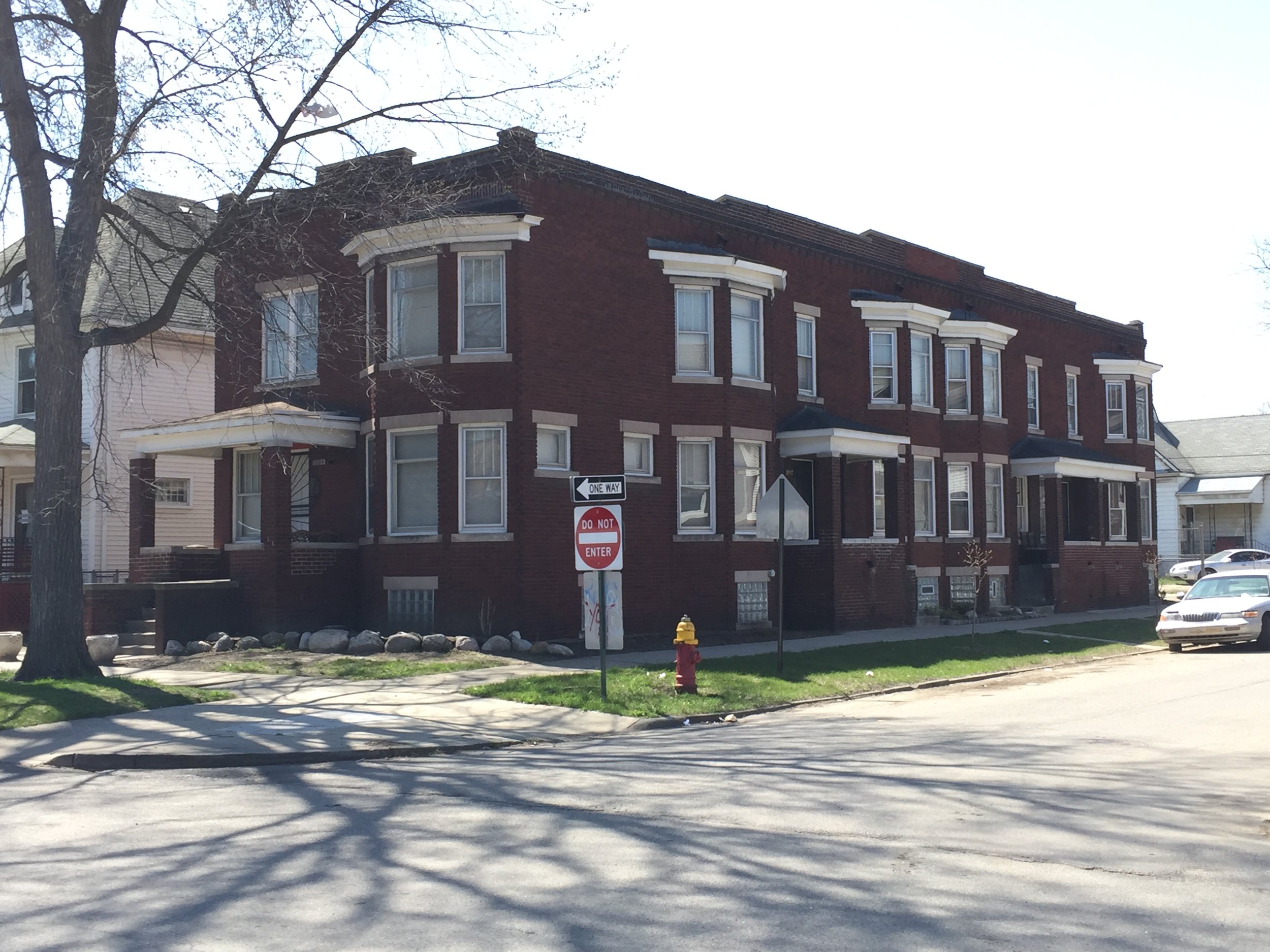
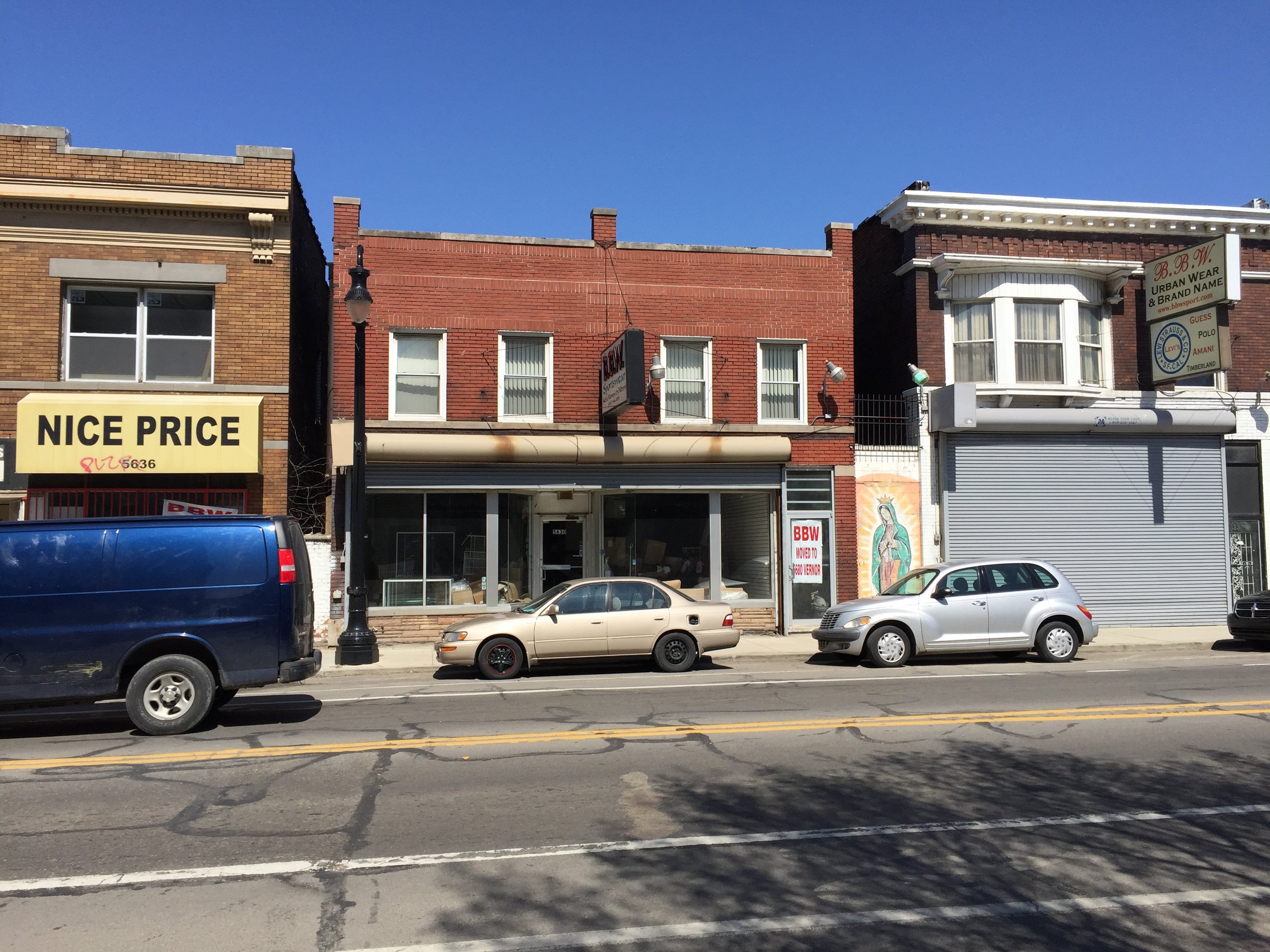
Sustainable, walkable places have a very legible flow of public space between buildings and the urban realm. They also have a variety of architectural patterns, because there are different uses required to sustain the neighborhood. More private spaces like residences will have less public space porosity breaking up their massing than a commercial space will, where goods and services are exchanged for money. Nolli Map of an existing neighborhood reveal all of these things and one will be able to determine the components that are missing. These missing links are perfect opportunities for small scale developers to intervene responsibly into a neighborhood. Specifically, Nolli maps will reveal the absence of the "Missing Middle" - super flexible building types that are between the single family home and the multi-unit apartment building. These Duplexes, Triplexes, Quadplexes, Carriage houses are important components of valuable and sustainable communities that can potential build individual wealth. Thankfully, their demand is increasing.
4. Understand that your building is not an isolated event but a small piece to a much larger system.
This aerial image of Barcelona shows just how important it is to pattern individual buildings together to create the beautiful and larger community. True value is placed on the neighborhood first and individual buildings second.
My last point is a summation of the former three. Mapping an entire target neighborhood as a Nolli will inevitably reinforce to the small developer just how insignificant one piece of land or property is when viewed in isolation. It will illustrate that the true beauty of a place is less about one building, and more about how a coalition of carefully located buildings craft space and work together to produce great places for humans. I realize this is difficult for large-scale development because the culture there is to protect the investment, which is the building. But that’s just it. Small developers are protecting the investment, that investment being the neighborhood. They invest in the protection and enhancement of its spaces, patterns, economy, and architecture by developing responsive, flexible and contextual buildings. Such an investment allows the entire neighborhood to flourish and so will the developer’s pocket. Everyone wins.
As a disclaimer, I suggest living in the neighborhood you are developing in. It cements your investment of time and money in a place, which is the ultimate commitment. Not only do you care about your property, but you care about its context and socio-economic support system. Why? Because you live, work and play there as well. Nolli Maps help small developers understand their focus neighborhoods. Consequently, this creates economic value for the community and themselves by financing better products.
Fabric[K] Design's Zoning and Possibility Packages provide a comprehensive analysis of potential development properties you're looking at. They are great first steps to developing a profitable real estate asset for both you and the community. For more information and pricing check out our Products and Services page.
This article was written by architect Marques King, and was first published by the Congress for the New Urbanism Online Journal, Public Square in January 2017.
Learn more about small scale development by visiting the INCREMENTAL DEVELOPMENT ALLIANCE website!