![Fabric[K] Design](http://images.squarespace-cdn.com/content/v1/5846fe37ff7c5046fc8b98e8/1585703506724-ACFUCZ5FH3AGY64QWIFZ/FabricK-Design_Logo_1500x600_All+Green.png?format=1500w)

Detroit is the New Rome
Had it not been for these two empires, the world would certainly look different. Rome, over the centuries always managed to realize the value in its ancient, yet, abandoned structures. Now the city is reaping the benefits of history and longevity. Detroit, poised to be America’s version of the “Eternal City”, now sits at a critical pivot point in its history. Will it make decisions in response to economic urgency? Or will it make decisions of historical sustainability that yield innumerable dividends in the long run? I hope the latter, holds true; for there is no town, like Motown.
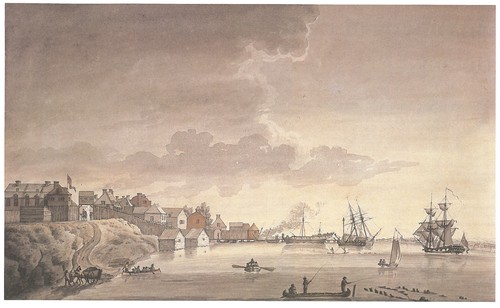

Picture in your mind, a small town nestled near the banks of a river. Now imagine that same town transforming into a great city. And not just any great city, but the greatest of cities; an empire. This city would be home to millions of proud citizens. It would be a global epicenter of technology, manufacturing innovation, creativity and of course wealth. People would flock from all over the world to see this great city, marveling at its prowess and seeking opportunity. As you’d expect, this city would be beautiful. Top notch. Handsomely designed buildings, lush greenery, manicured parks, and imposing monuments that signified civic power. It just so happens that this city would also pioneer various modes of transporting people and goods, and build many roads to connect to far off places. This city would go on to change the course of history forever. Yes, it would be a great city. Not just any great city, but the greatest of cities.
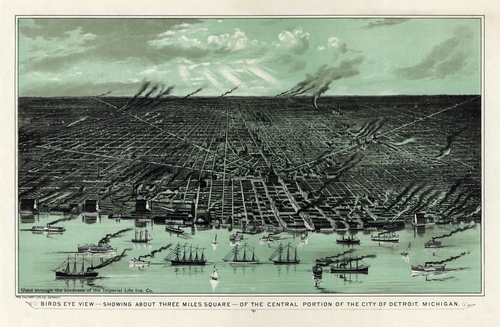

Sadly this city would fall. The millions of people that once lived in this great city would flee for various reasons. Its power would be conquered by forces from faraway lands. This once great city would deteriorate in every way possible. Its wealth would be stripped away. This city would be decimated.
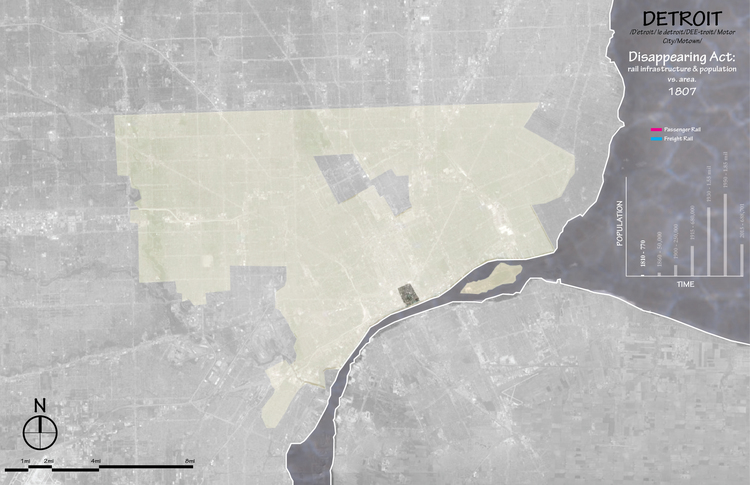
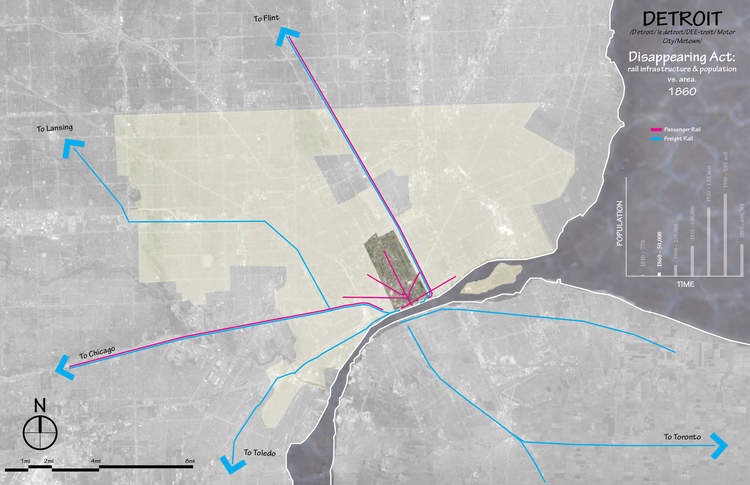
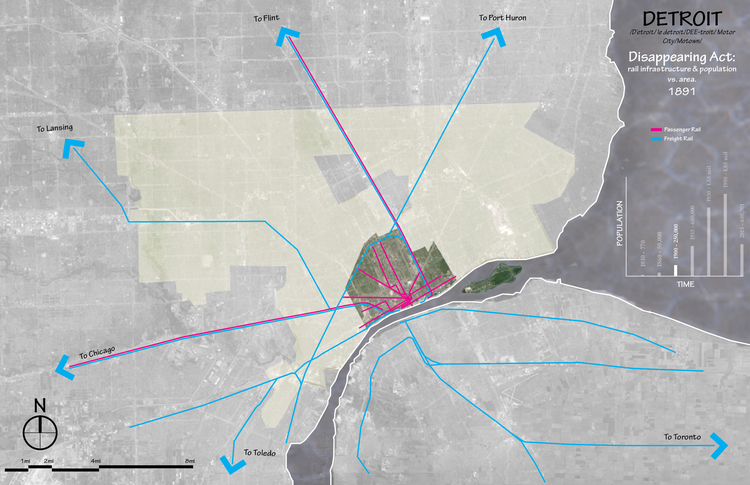
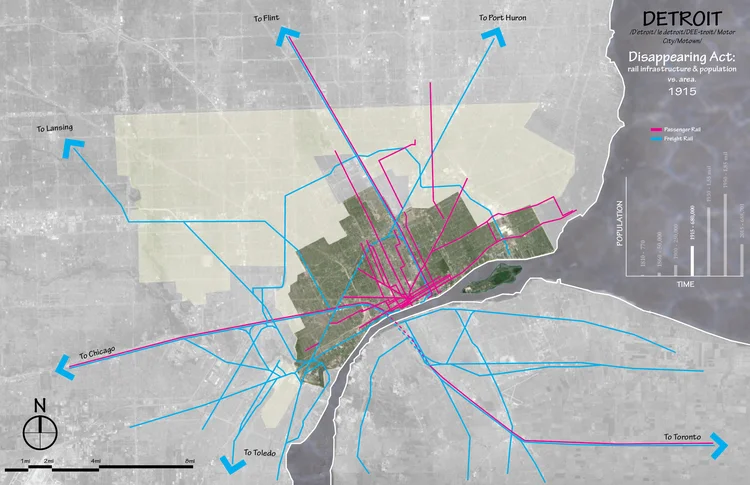


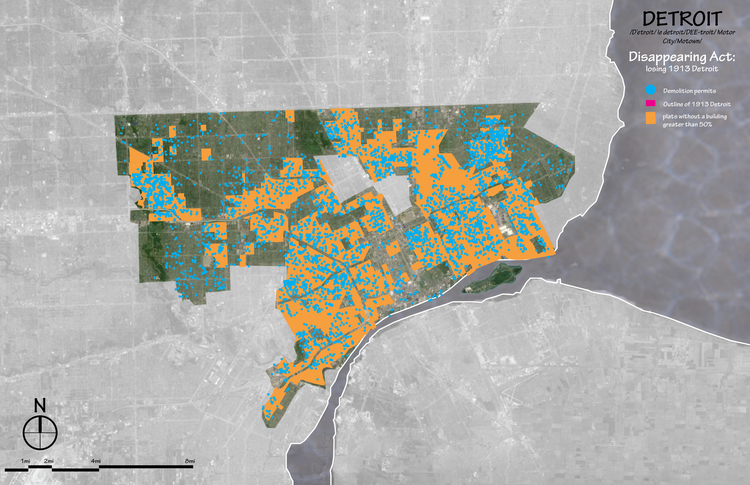
Due to heavy media coverage recently, if I asked you what city I might be talking about, I’m sure 90% of you would say Detroit. Technically, you would not be wrong. But what if I told you a more correct answer would be one of the world’s greatest, beloved, and prestigious cities? It’s a city we now know to be eternal. Excluding cities that have been completely destroyed through efforts of war, the only other city that can match the magnitude of Detroit’s economic, social, and physical demise would be the city of Rome. The narratives of these two places are incredibly similar. Both amassed great power and international acclaim at their prime, and both dwindled into feeble versions of their former glory. The only difference is that Rome has recovered, on numerous occasions.
The Eternal City has endured through time, and all its devices, to become the city of over 3 million that we know today. It attracts millions more from across the globe, and is rich in culture, history, mystery, and timelessness. I believe an integral part to Rome’s longevity and its contemporary prominence has been its ability to retain and adapt its timeless urban fabric through the centuries. These are the structures, systems, and buildings that distinguish Rome from any other place in the world. They help tell its story, one that begins almost three thousand years ago. Detroit could one day become what its ancient predecessor has, rising from the proverbial and literal ashes to achieve world prominence once again. But just like Rome did, it must first realize the irreplaceable value in its unique ruins and monuments; urban structures and systems that are distinctively Detroit.
Governor Augustus B. Woodward was the mastermind behind Downtown Detroit's distinctive radial plan, when he attempted to implement a city grid heavily influenced by Washington, D.C. in 1805. Only one of the radials was actually laid out and it was done so unfinished - Grand Circus Park. Nonetheless, Woodward's plan became a unique part of Detroit's history as the city began to grow. Starting in the 1950's, Detroit's central core (as well as the rest of the city) began to dwindle by way of numerous demolitions, implementation of state and federal highways, and other public works. In my opinion this shows a community with little regard for the irreplaceable value of local and global history and the erroneous infatuation with new, yet, temporary trends. The degradation of Detroit's core is a summary to what has happened to the city as a whole.

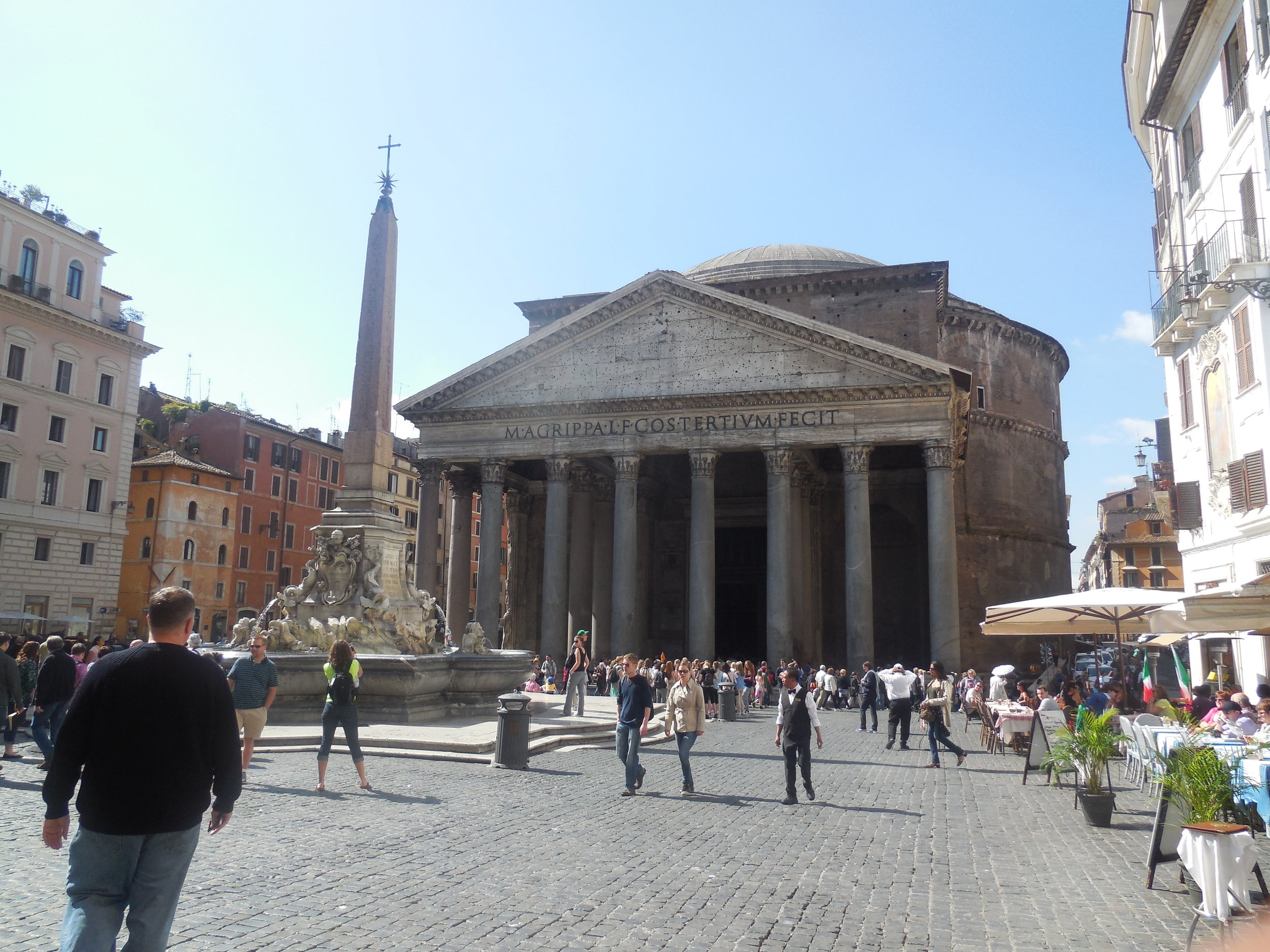
In truth Rome's past is a very complex one. The city has gone through various periods of expansion and contraction over the centuries. It has been ruled by many different peoples and has worshiped under many religions. The one constant however seems to be a reverence for grandeur and history, no matter who or what the social order was. Even when Rome was burned or sacked or pillaged, conquering tribes spared many historical relics such as the Collosuem and the Pantheon. Rome's recent growth and level of stability can be accredited to the unification of various dominions into the Republic of Italy in the mid-19th century. Even in the unification of Italy, this high esteem for Rome's ancient and local history continued. Now, as an ancient city in the modern age, Rome is host to probably thousands of ruins and relics that can not be duplicated in value nor in stature. Some have been made into museums. Some are still in the private possession of the families that built them. Some are public spaces and parks. Some are used today exactly how they've always been used. Function is almost irrelevant. What matters is that a function was found so that these historical urban treasures could still exist today for all to enjoy and learn from.
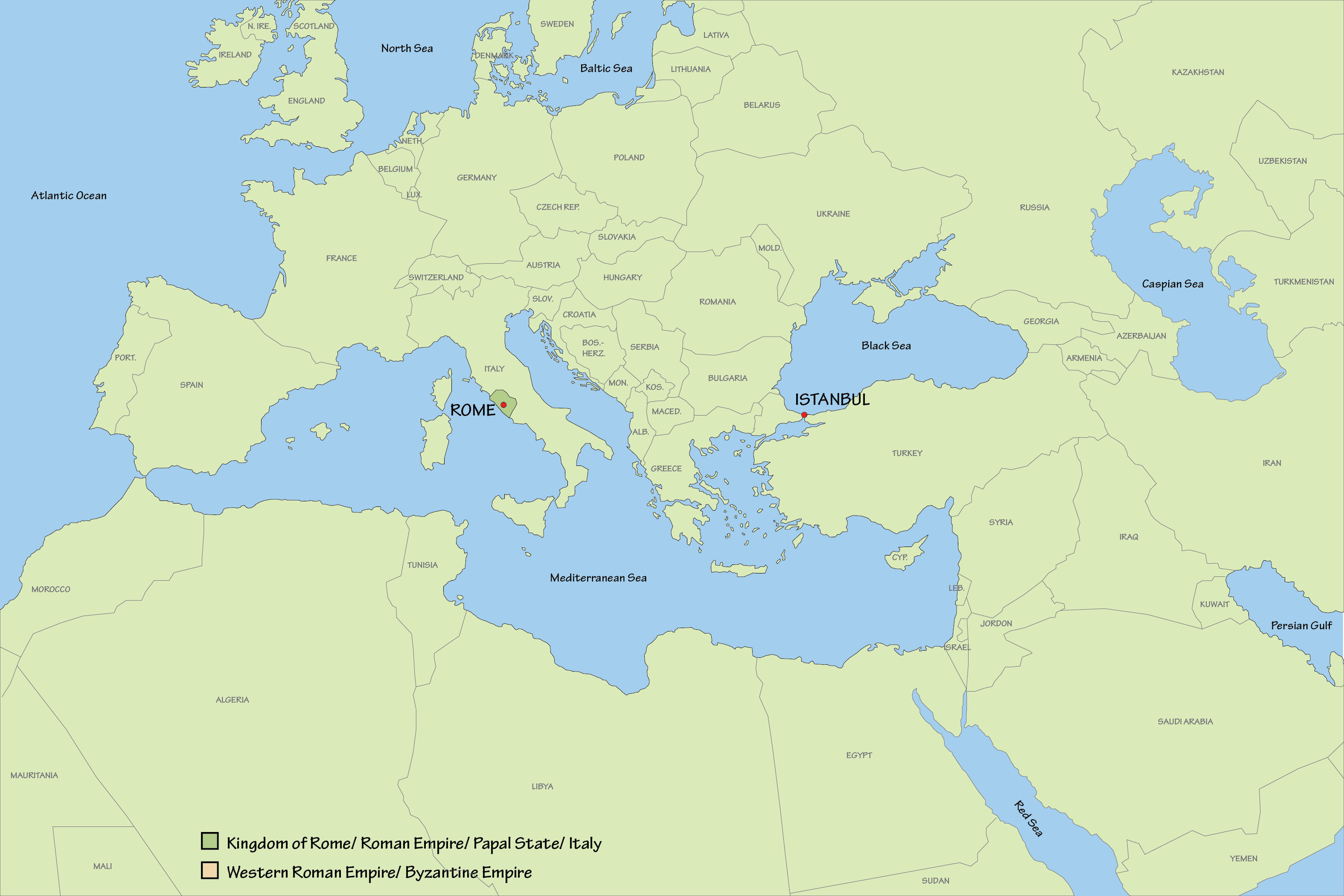
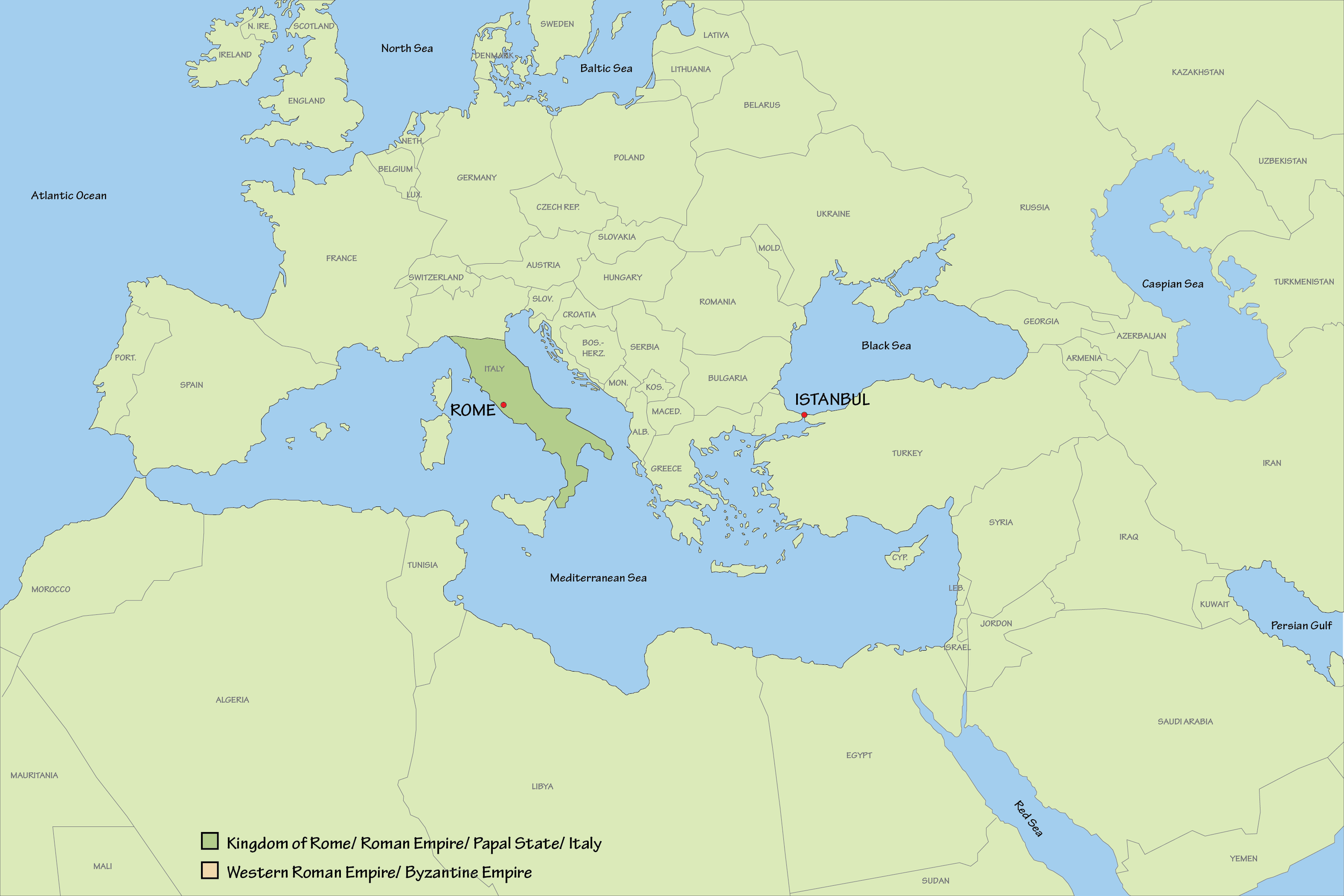
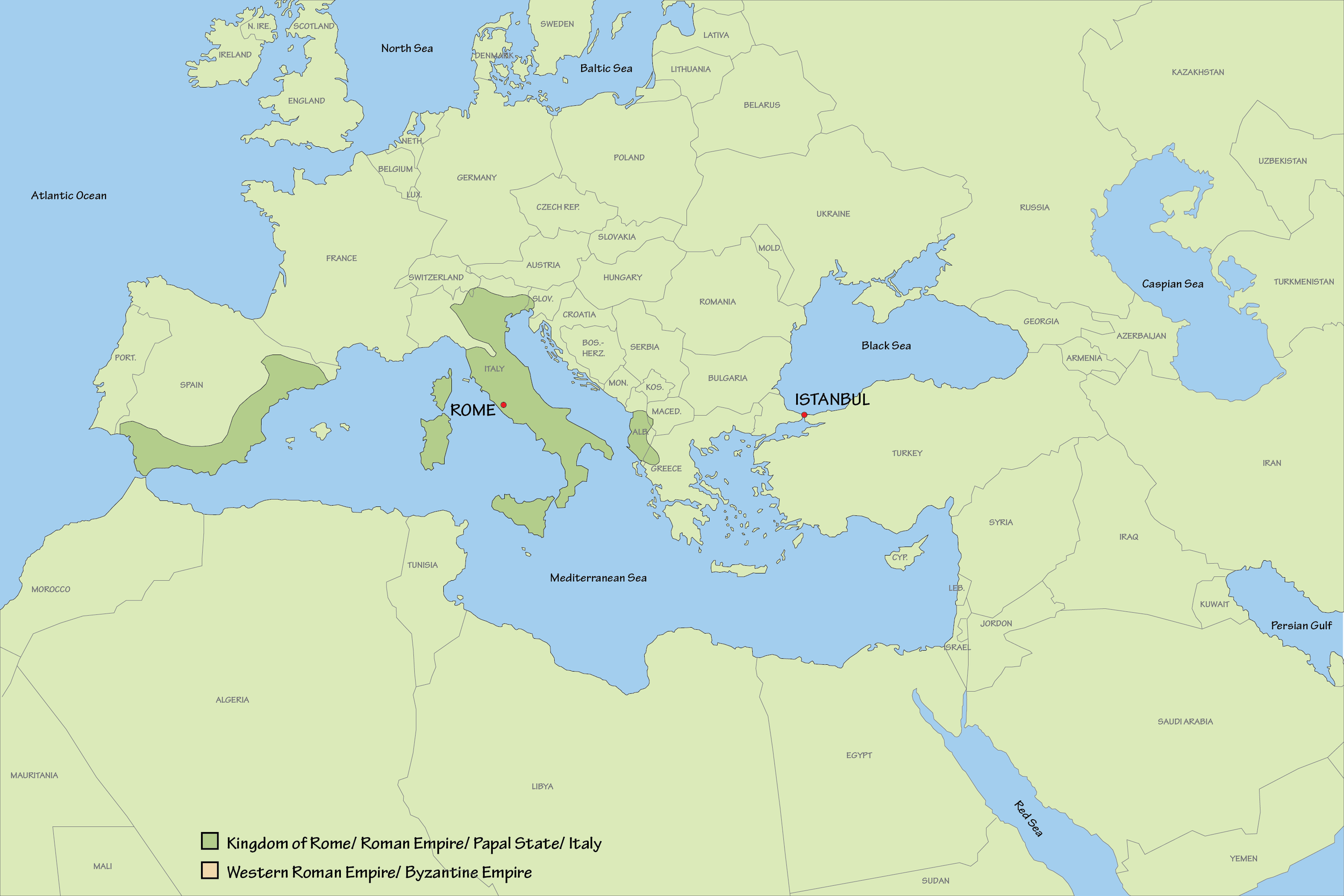
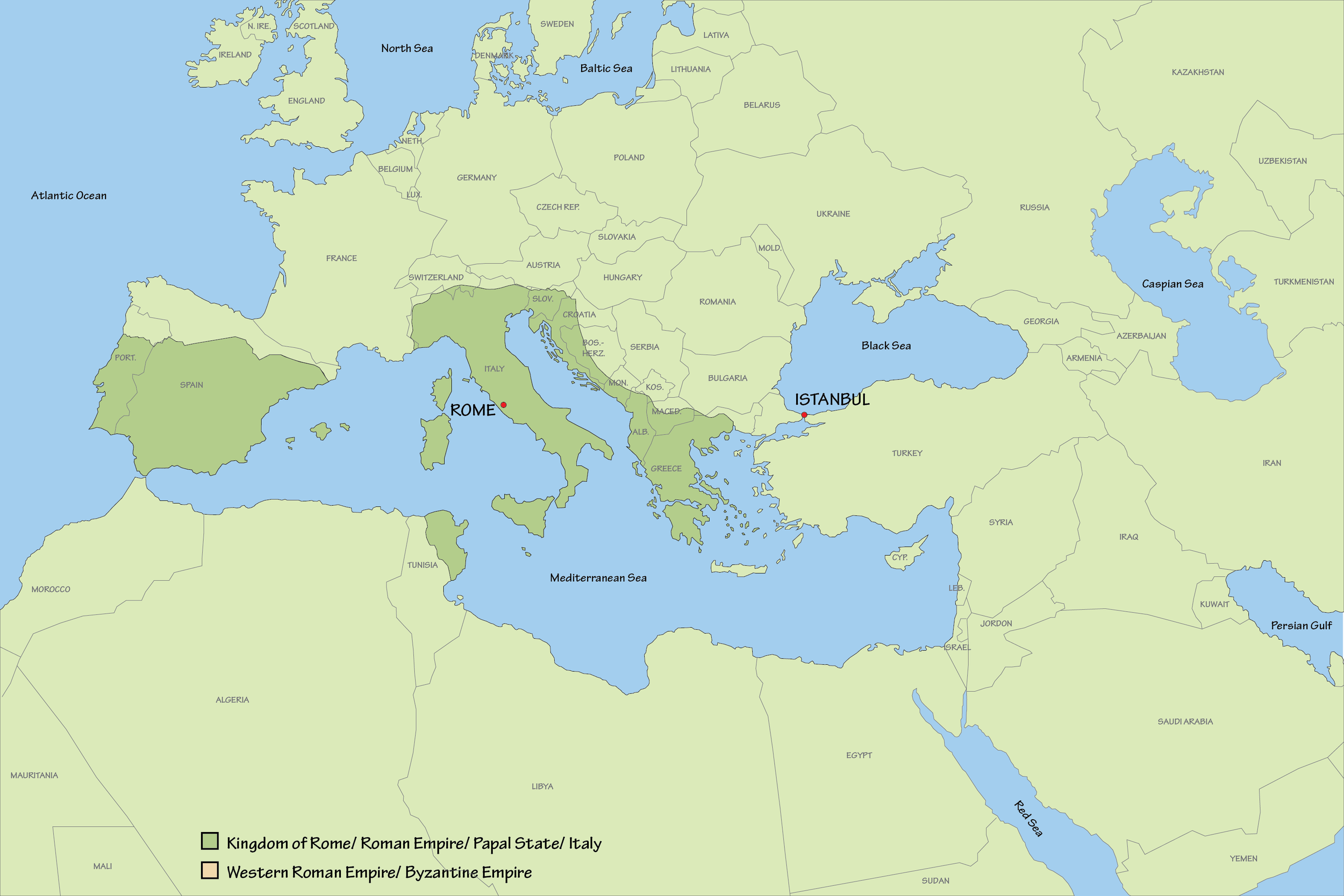


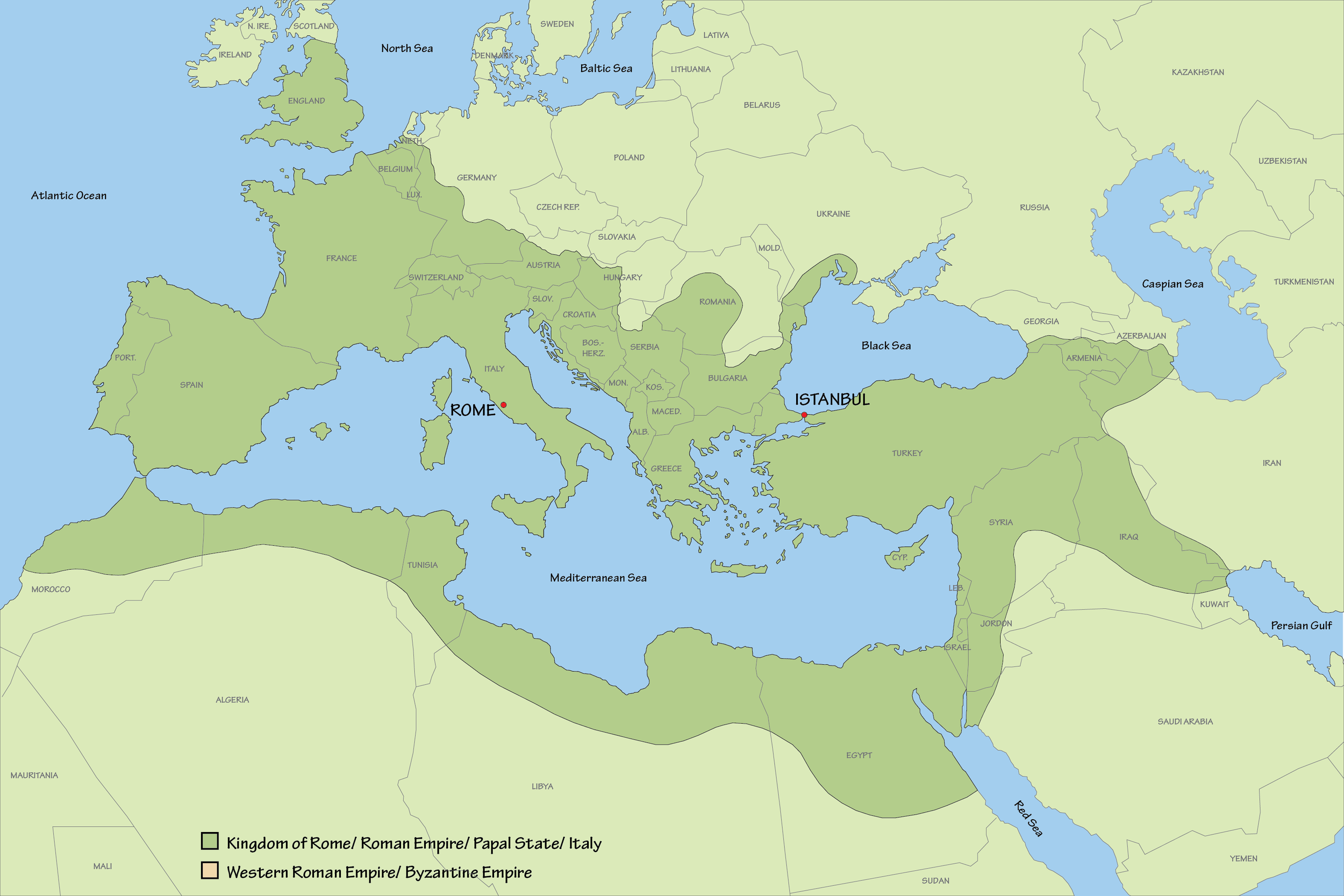
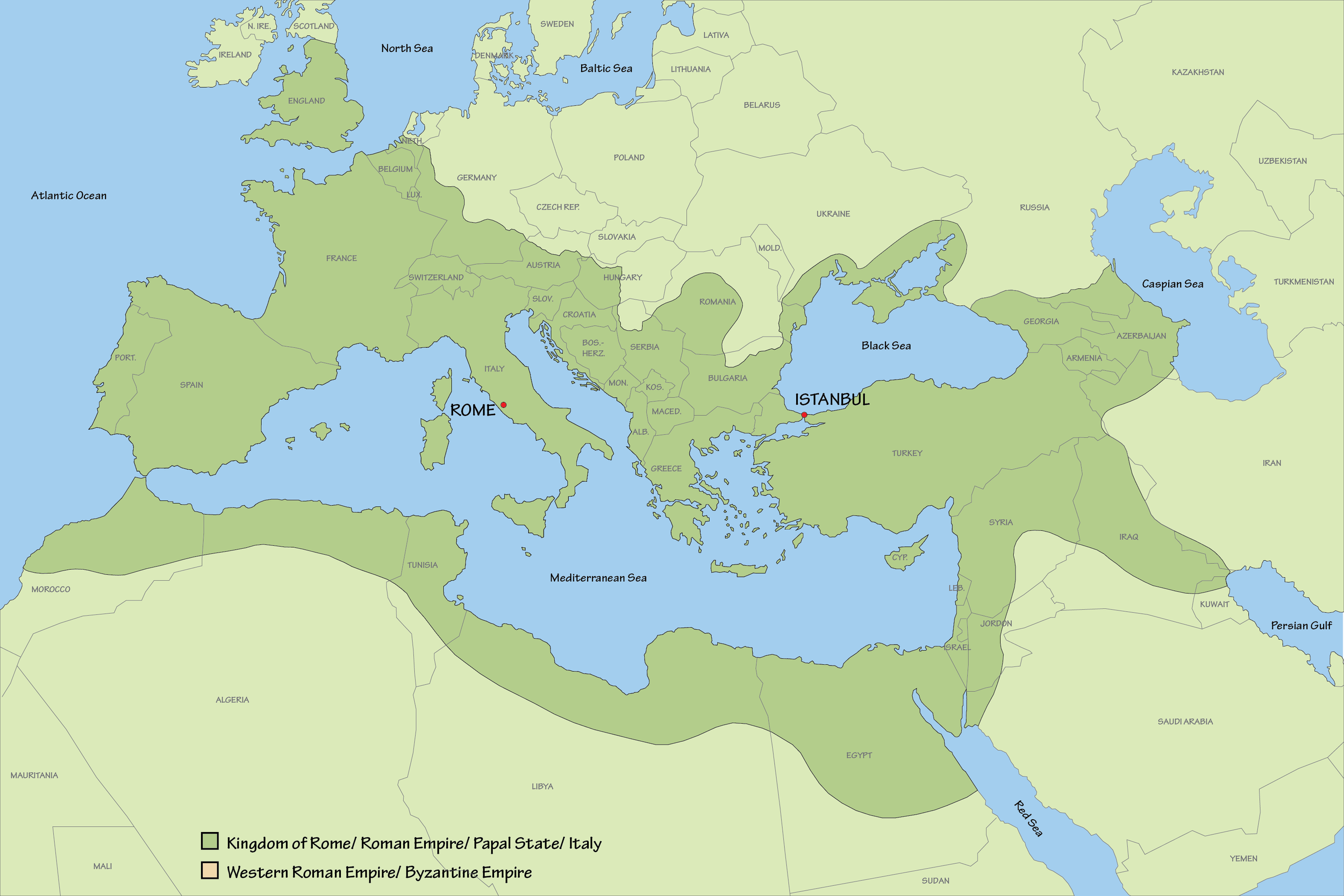

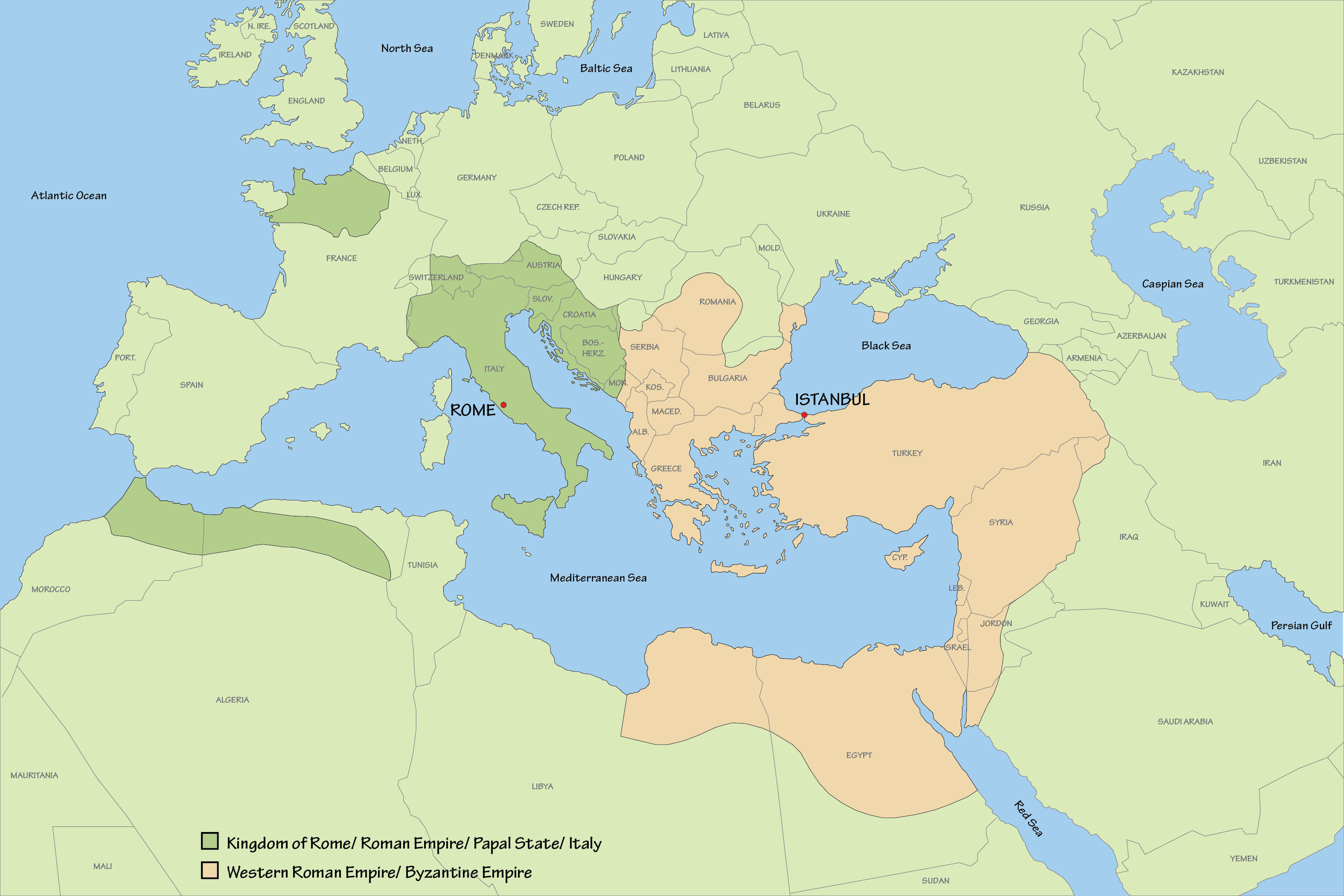


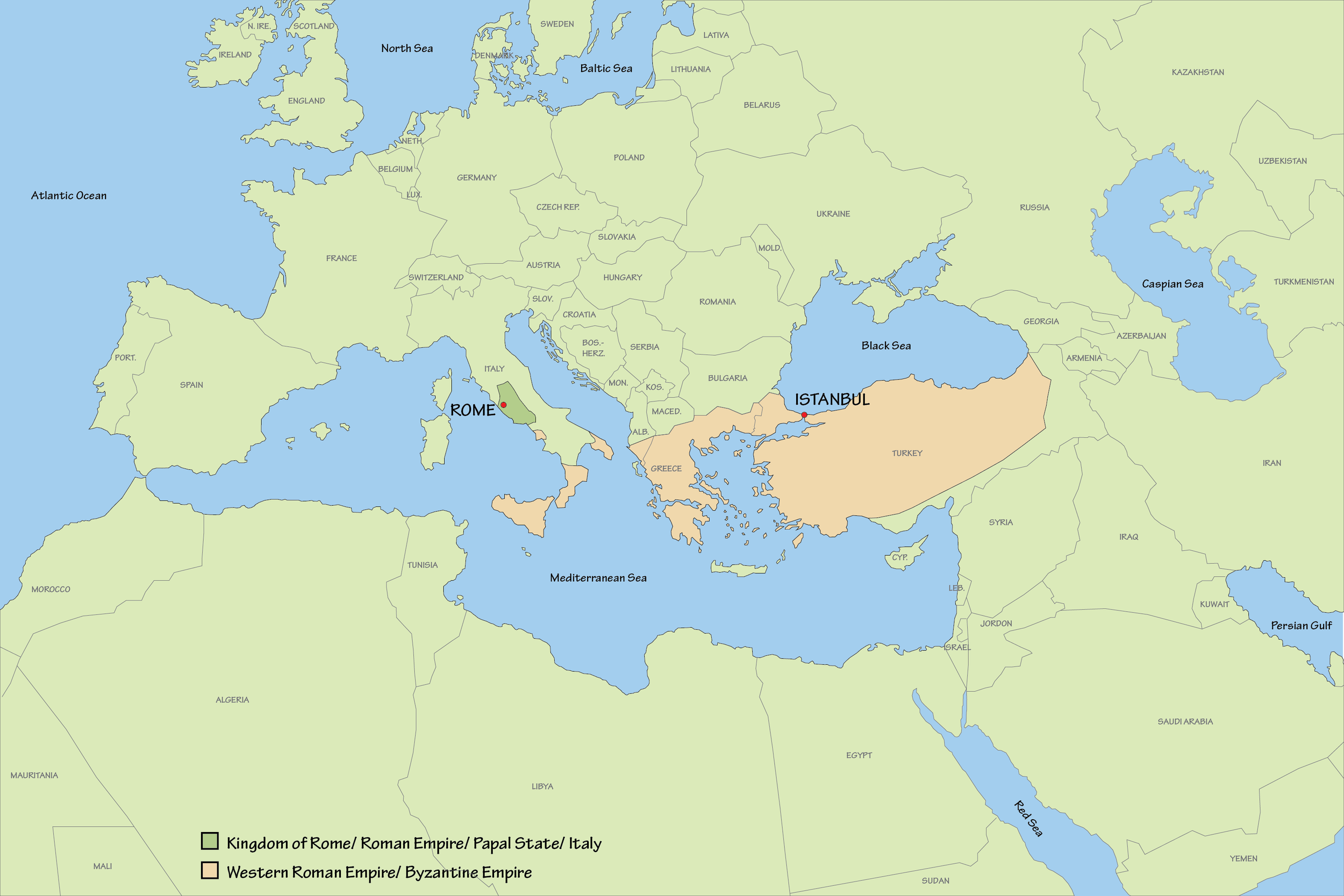
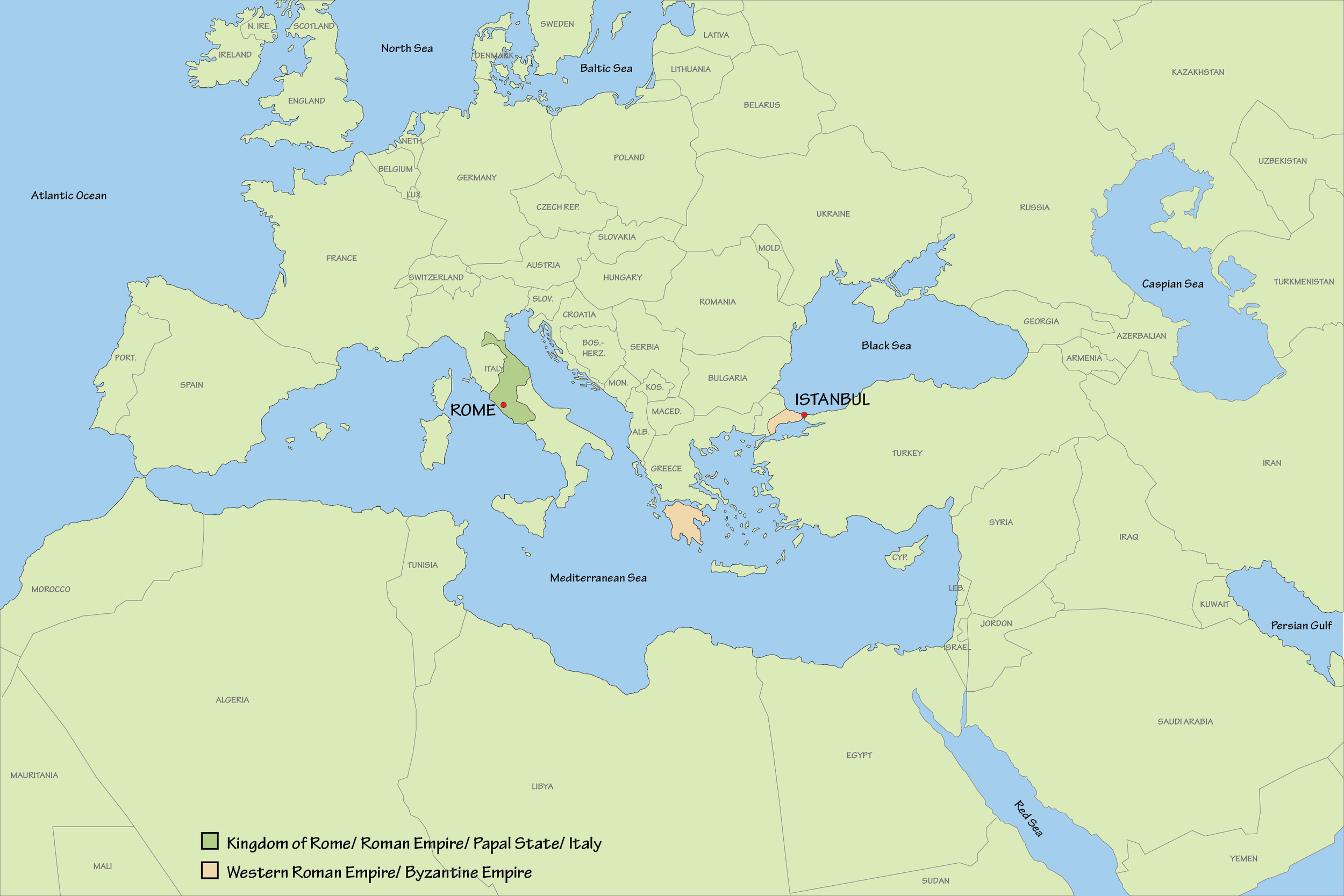


So, could Detroit be the new Rome? Very few American cities, if any, can match the amount as well as the significance of contextually specific and globally important structures that lie in ruin like many European cities can. But Detroit has the potential to do so. However, it can only do so if it realizes the wealth of culturally and globally historic treasures it already has. Treasures that testify to the amazing things that happened here and only here. These urban gems exist in the forms of abandoned train depots, ruined automobile plants, lop-sided mansions, eerie turn-of-the-century skyscrapers, isolated schools, and factories of all sorts. These are the only physical reminders we have left of what Detroit once was. They are imperative to the sustainability of the city’s culture and the perpetuity of its narrative.
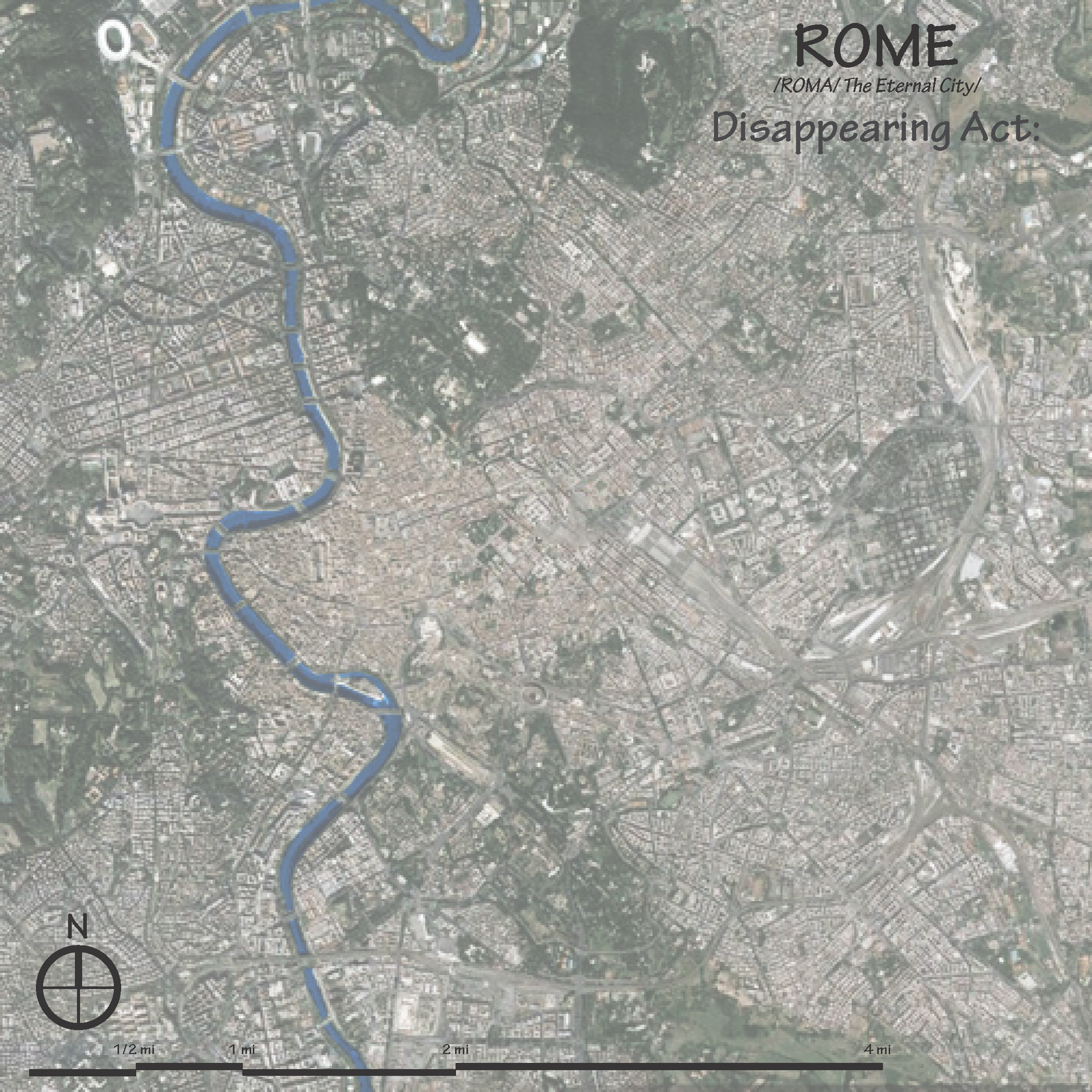


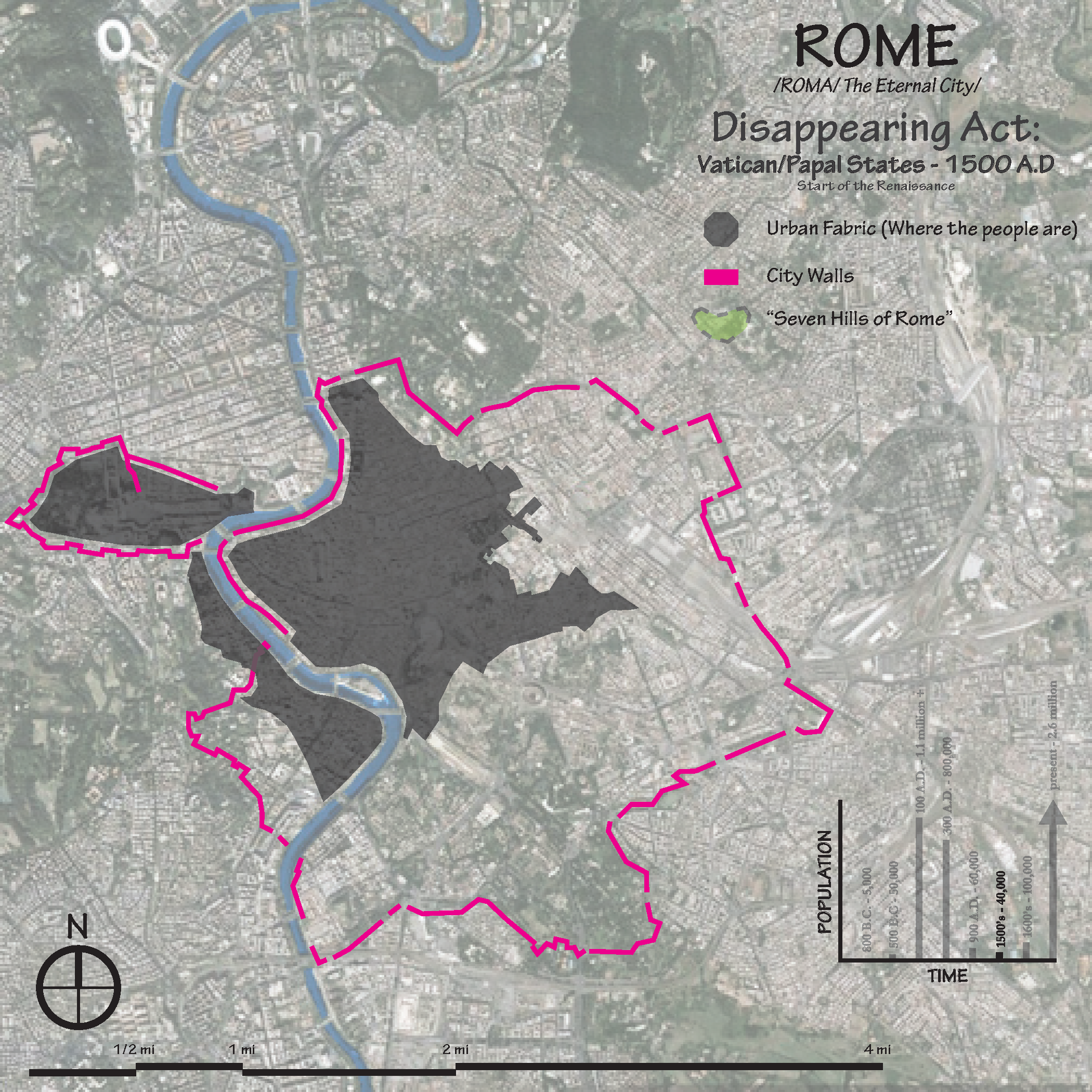
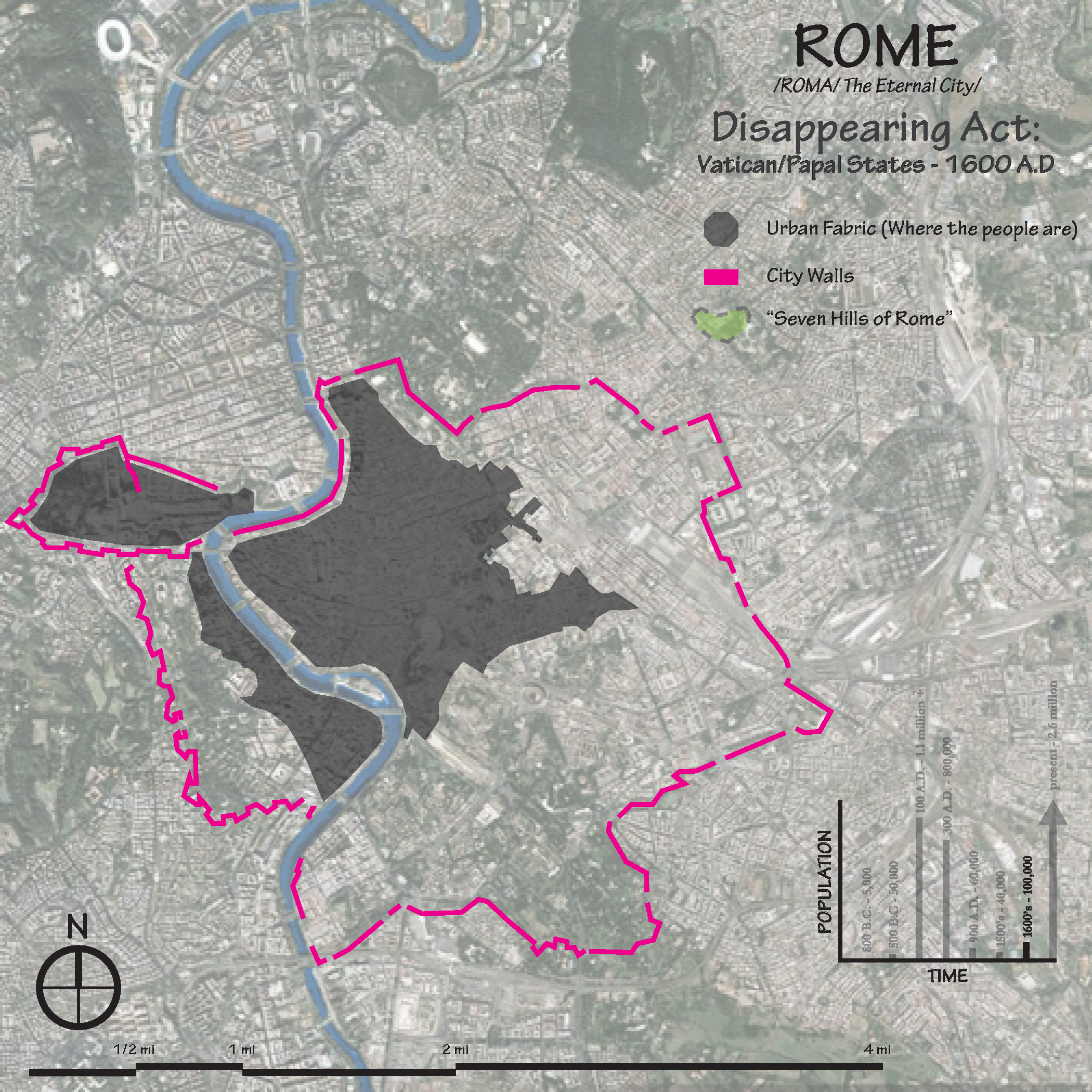
Had it not been for these two empires, the world would certainly look different. Rome, over its many centuries and rulers always managed to realize that there was value in its ancient, yet, abandoned structures. Now the city is reaping the benefits of history and longevity. Detroit, poised to be America’s version of the “Eternal City”, now sits at a critical pivot point in its history. Will it make decisions in response to economic optics, pummeling everything in its path? Or will it incorporate these historically relevant places into its new development to yield innumerable dividends in the long term? I hope the latter holds true; for there is no town, like Motown.
RUINS OF ROME
Ruins of DETROIT



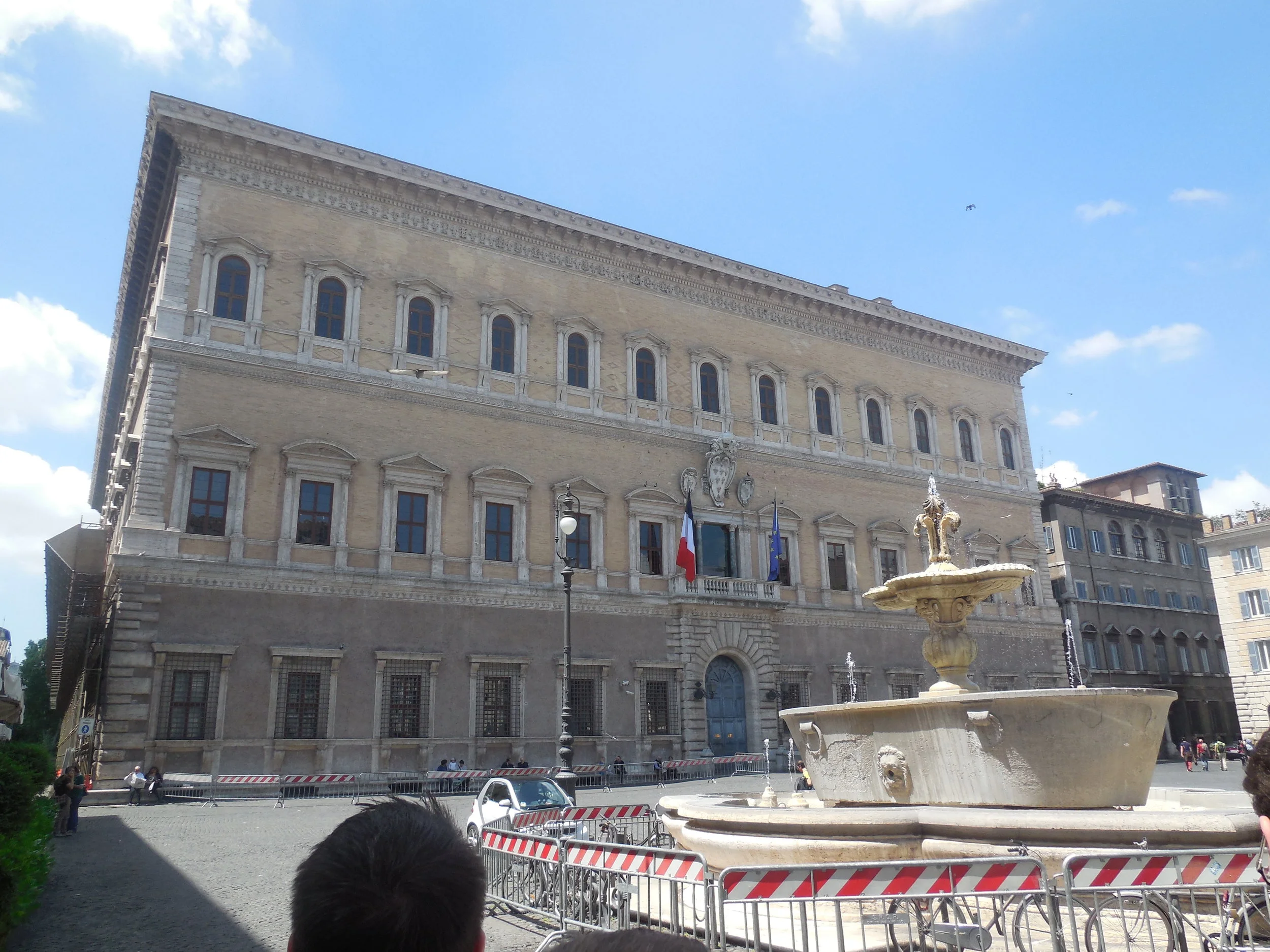
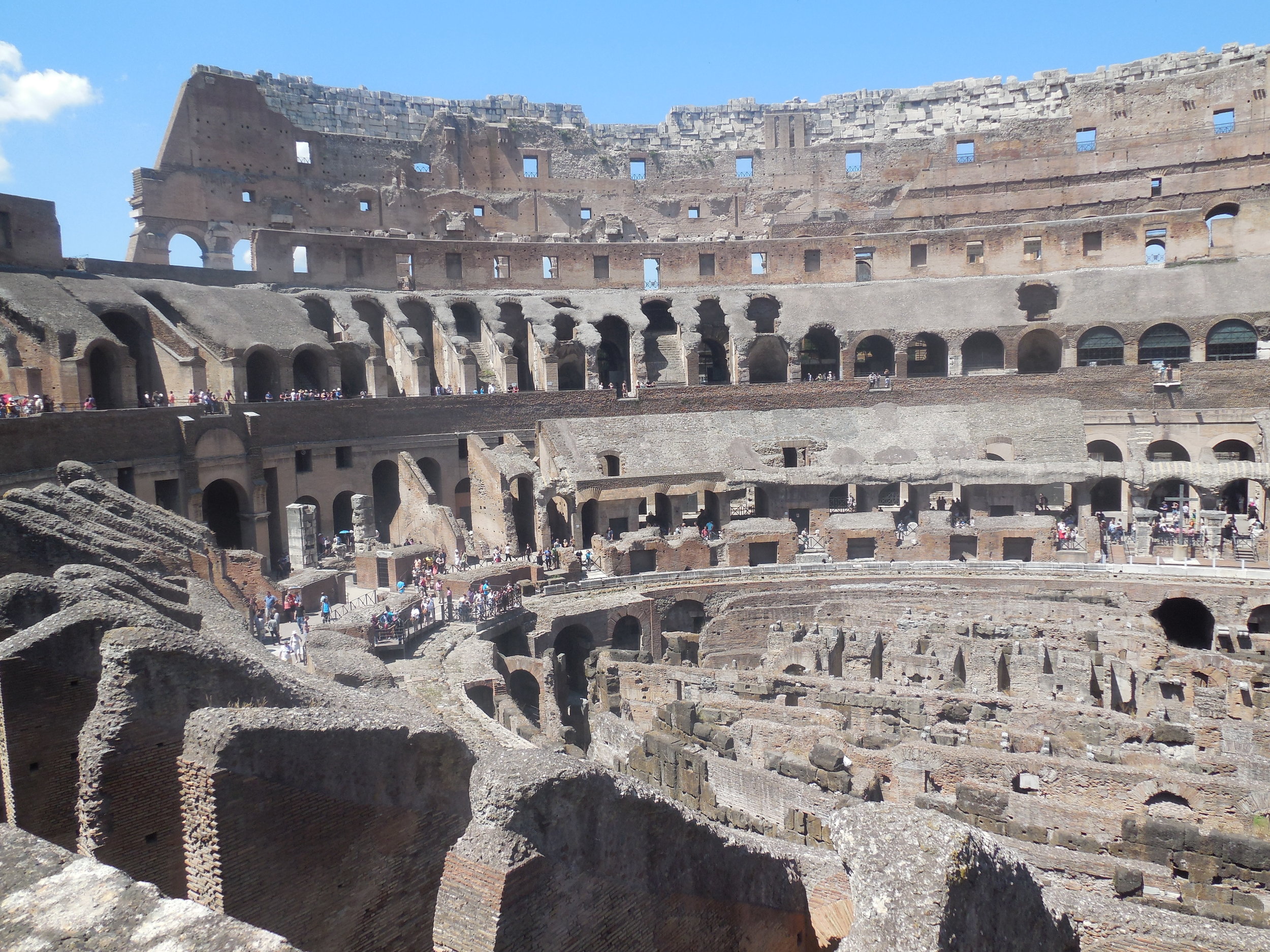
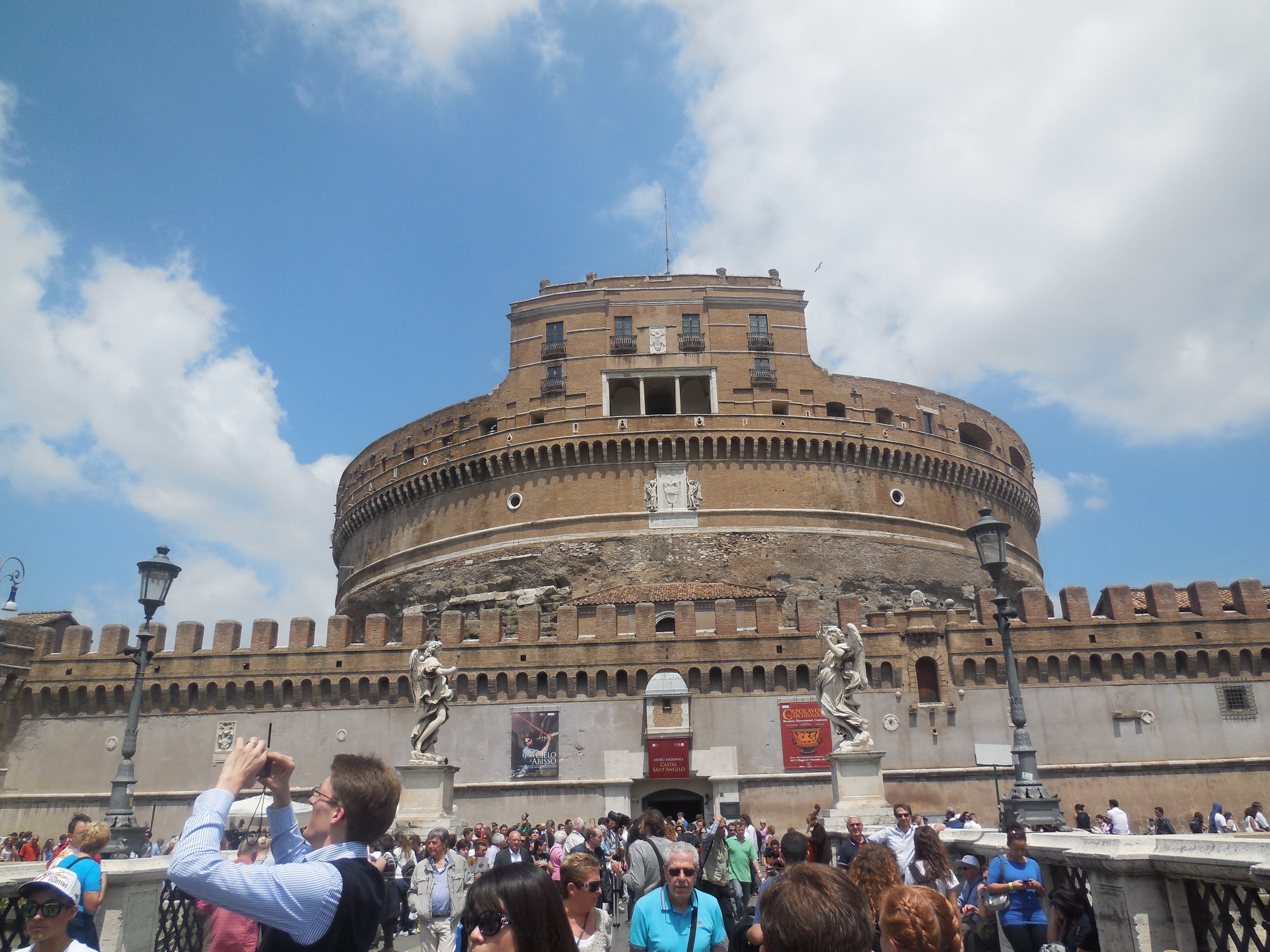


Nolli Map as a Tool for Small Scale Developers
The Nolli Map is the most underutilized tool in the designer/developer tool box. When used properly it provides an intimate understanding of place which creates both sentimental and monitary value for an entire neighborhood.
Small scale incremental developers are concerned with enhancing the character and economic vitality of neighborhoods through flexible, human-scaled, mixed-use buildings. In other words, a small developer’s focus is in building places the way they have been built for centuries; piece by piece adapting to changing forces along the way. This is in direct opposition to the more popular trend of development, which is to build it big and all at once. The real estate produced from this mode of development is usually expensive, poorly designed, and hinders the organic growth of a city or community. It also shows that the developer at this scale, lacks basic understanding of the neighborhoods they ‘invest’ in, either intentionally or unintentionally. This is something that a small developer does well.
Giovanni Battista Nolli's 1748 Map of Rome. The entire document is about 6ft x 7ft in dimension and comprised of 12 smaller portions. The Nolli Map has become one of the most appropriate ways to understand existing spatial relationships and plan future development.
Enter the Nolli Map, the most underutilized tool in the designer/developer tool box. A Nolli Map is a two-dimensional plan drawing used to understand the accessibility and flow of space within a city or neighborhood. The first Nolli Map was drawn by the Italian architect from where the map derives its name from, Giovanni Battista Nolli. For purposes of dividing the city into wards and planning future public works, in 1736 Pope Benedict XIV commissioned Nolli to create the most accurate plan drawing of Rome ever made. Giovanni documented every building within the city and consequently every space. Unique to the Nolli Drawing is the representation of public space inside buildings, as part of the urban realm. There is no distinction between inside and out; only space and mass. Private spaces are rendered as black and public spaces accessible to everyone are left white. The Nolli Map of Rome presented the Eternal City in a way that deepened the comprehension of its neighborhood fabric.
In 2013, Fabric[K] founder Marques King worked under architect and urbanist Dhiru Thadani, along with a team of others to produce the first Nolli Map of Seaside, Florida, the “original” New Urbanist community. Over the course of the year, the team surveyed by hand every inch of the beach town - every road, house, shop, pavilion, tree, groundcover, sidewalk, fence, and even the sand dunes. These experiences gave the team an intimate understanding of the neighborhood, equivalent and perhaps more so than the residents that live there. In almost all things, experience is the best teacher and the primary way to understanding. This is why generational residents of existing neighborhoods are in the best position to redevelop and reinvigorate their communities because they know it. And, new residents that take the time to learn the neighborhood are not far behind. These two groups are the kinds of developers that cities like Detroit need. Ones with a deep, authentic and sentimental understanding of their surroundings. The Nolli Map is a perfect way to document and compliment these understandings. It has several other advantages that offer institutional value to the small scale developer and the individual landowner. Here are four ways small developers can benefit from a Nolli Map of their target development neighborhood...
1. Understanding relationships of public and private space
The most important observation a Nolli Map reveals is the clear distinctions between public and private space. This can be simplified as “places people can go” vs. “places people can’t go”. Clear separations between the two realms are a critical component of safe neighborhoods. They also help the small scale developers comprehend the flow of space and the movement of people, goods, and money within those spaces. Public spaces include streets, squares, and walks but also porches, yards, commercial space, lobbies, and vestibules. Understanding the public vs. private relationship—or lack thereof—within a given neighborhood is the foundation for establishing walkable, human-scaled communities.
2. Uncovering the urban and architectural pattern language of a neighborhood.
Cities and neighborhoods have a language. That language is spoken in terms of spatial patterns that organize the places humans inhabit. A Nolli map will reveal these patterns both on an architectural and urban scale. Streets are the clearest examples of an urban pattern. They can be organized in a grid, linearly, radially, organically, or some hybrid of these. Certain architectural patterns will respond to the urban organization. For example at Seaside, there is an architectural pattern of porches fronting the street, acting as a mediator space between the public and private realm. As a small developer, fitting into this existing pattern language is essential to positively nurturing the walkability, sustainability, and functionality of a neighborhood. They are great clues to guide the small developer in what should be built.
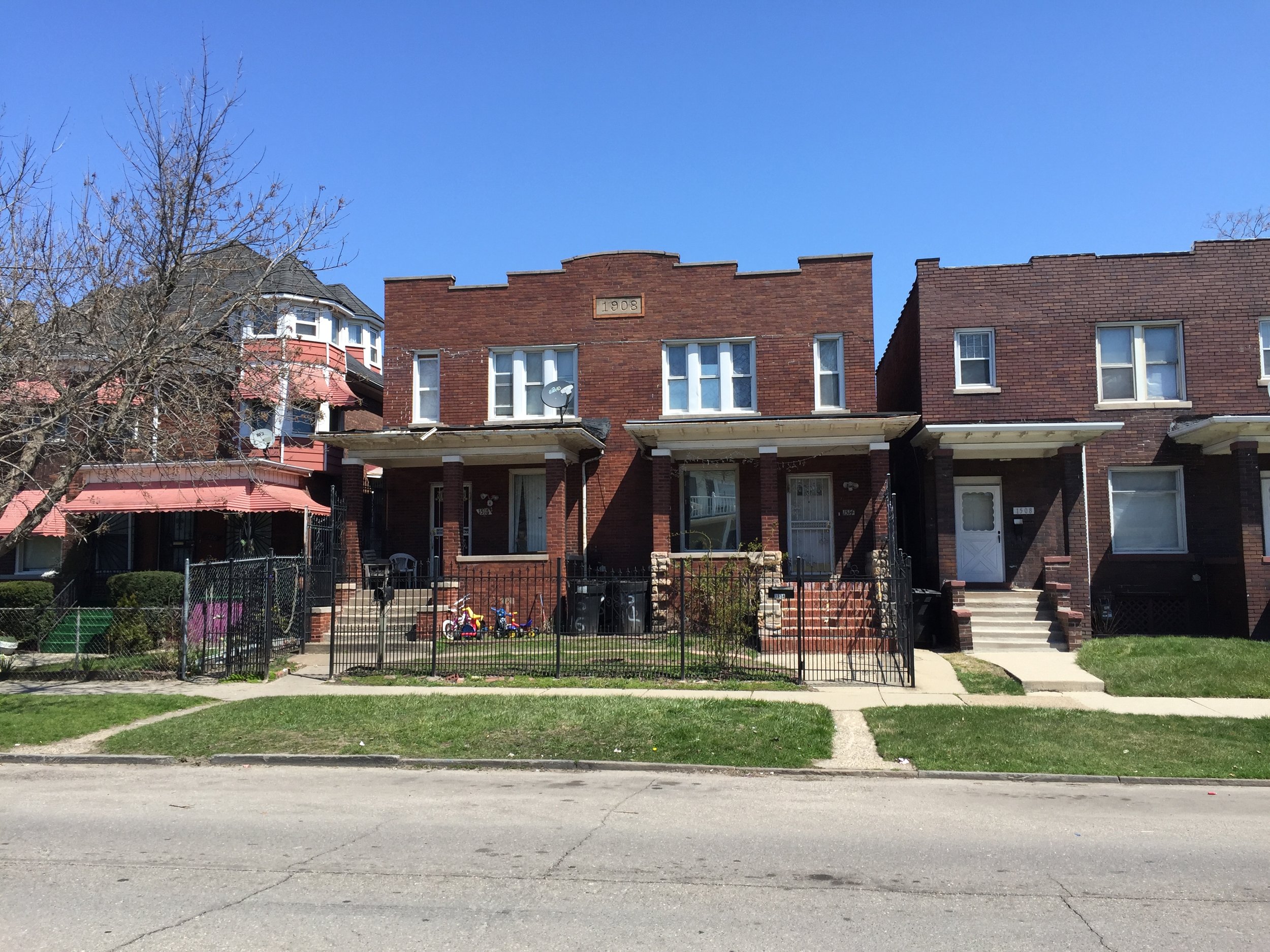
3. Understand what’s missing
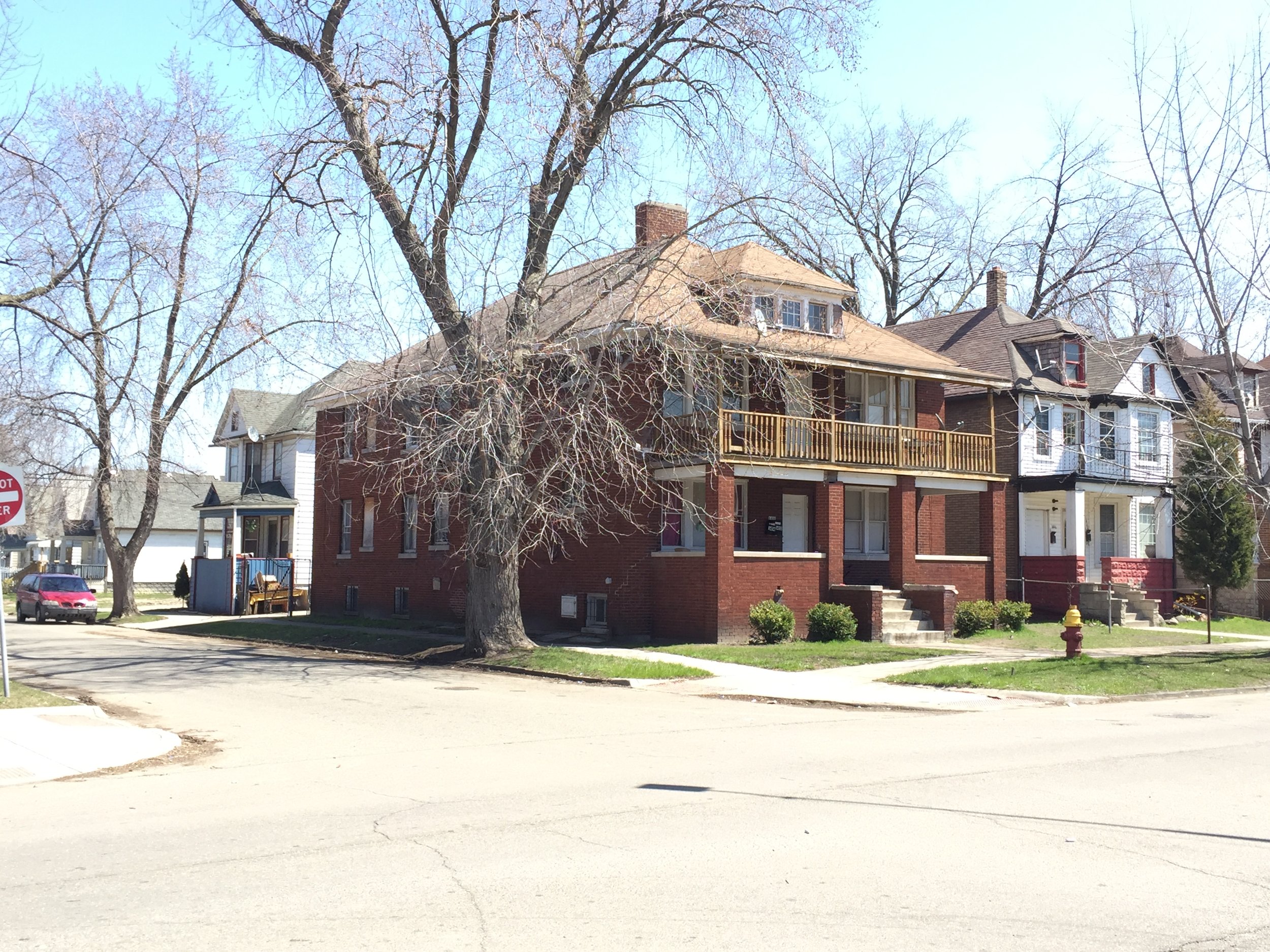
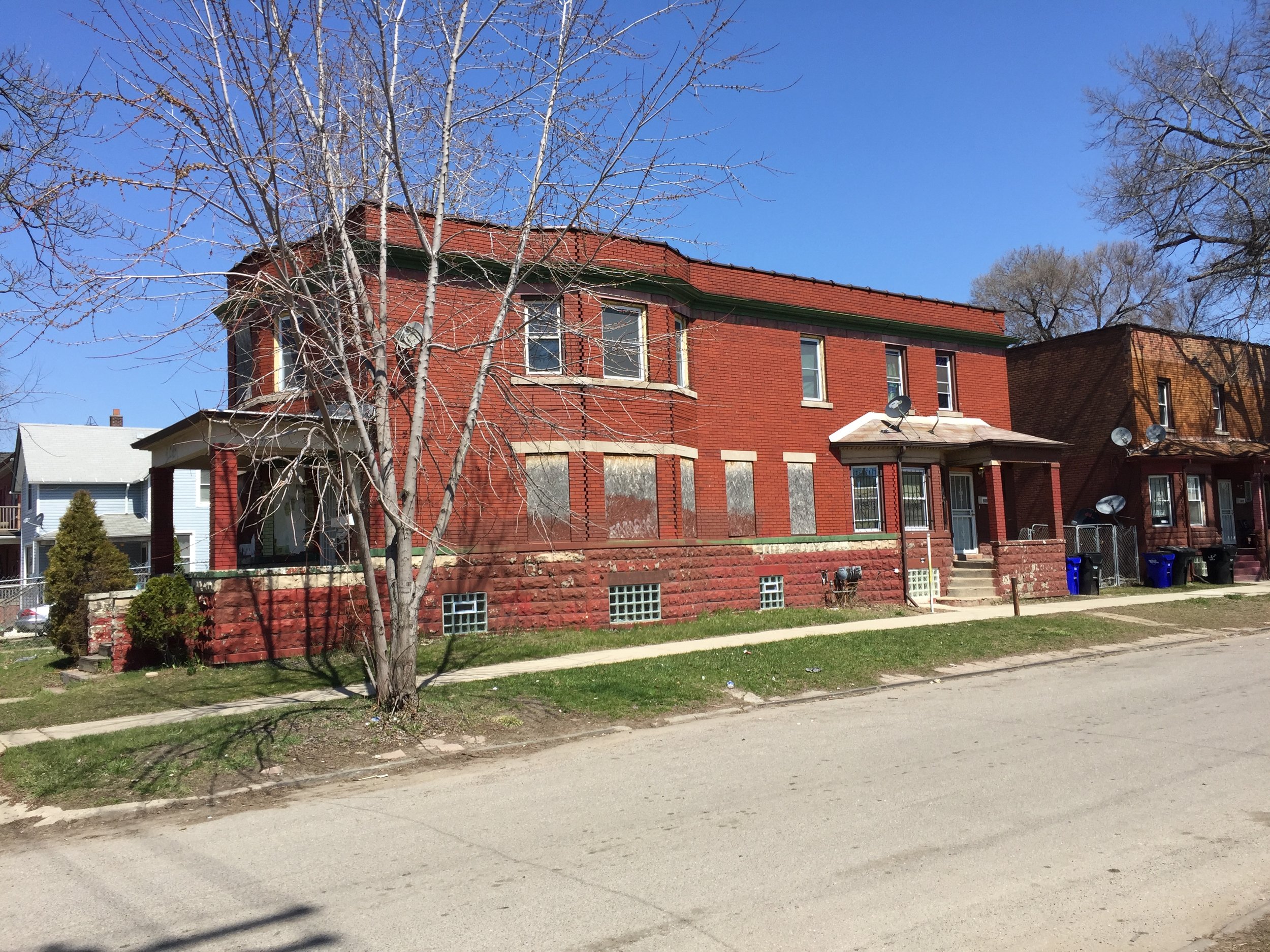
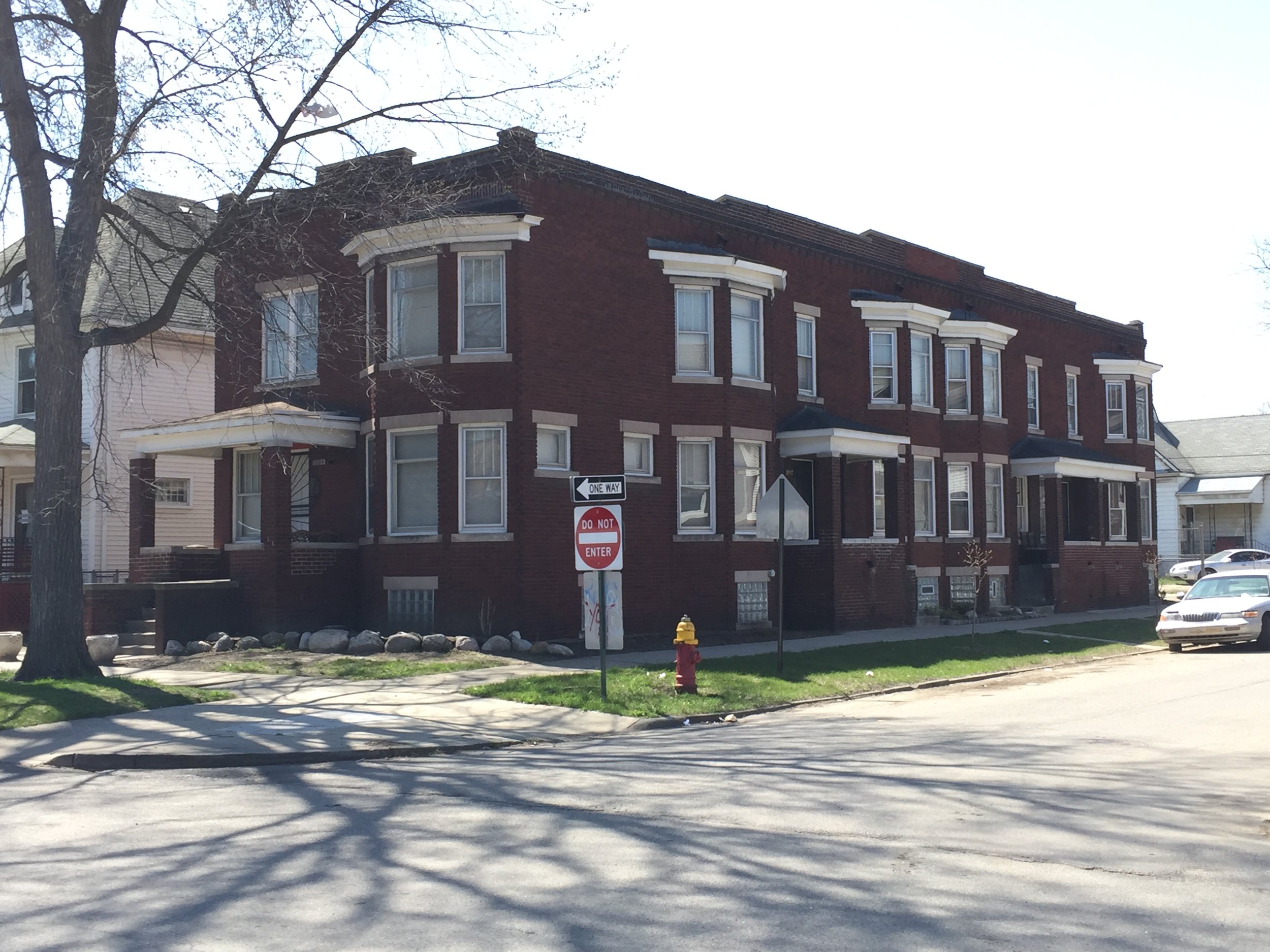
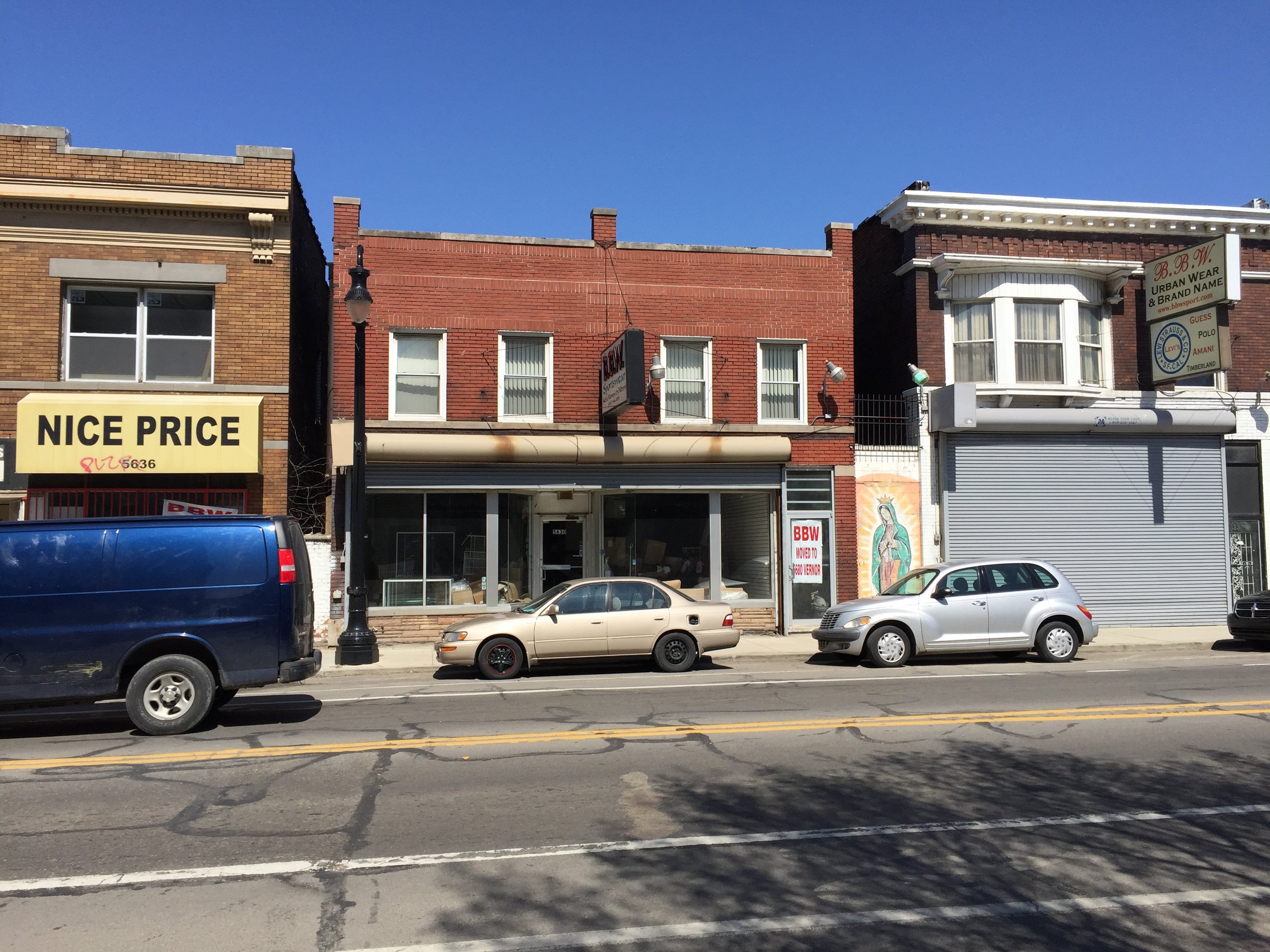
Sustainable, walkable places have a very legible flow of public space between buildings and the urban realm. They also have a variety of architectural patterns, because there are different uses required to sustain the neighborhood. More private spaces like residences will have less public space porosity breaking up their massing than a commercial space will, where goods and services are exchanged for money. Nolli Map of an existing neighborhood reveal all of these things and one will be able to determine the components that are missing. These missing links are perfect opportunities for small scale developers to intervene responsibly into a neighborhood. Specifically, Nolli maps will reveal the absence of the "Missing Middle" - super flexible building types that are between the single family home and the multi-unit apartment building. These Duplexes, Triplexes, Quadplexes, Carriage houses are important components of valuable and sustainable communities that can potential build individual wealth. Thankfully, their demand is increasing.
4. Understand that your building is not an isolated event but a small piece to a much larger system.
This aerial image of Barcelona shows just how important it is to pattern individual buildings together to create the beautiful and larger community. True value is placed on the neighborhood first and individual buildings second.
My last point is a summation of the former three. Mapping an entire target neighborhood as a Nolli will inevitably reinforce to the small developer just how insignificant one piece of land or property is when viewed in isolation. It will illustrate that the true beauty of a place is less about one building, and more about how a coalition of carefully located buildings craft space and work together to produce great places for humans. I realize this is difficult for large-scale development because the culture there is to protect the investment, which is the building. But that’s just it. Small developers are protecting the investment, that investment being the neighborhood. They invest in the protection and enhancement of its spaces, patterns, economy, and architecture by developing responsive, flexible and contextual buildings. Such an investment allows the entire neighborhood to flourish and so will the developer’s pocket. Everyone wins.
As a disclaimer, I suggest living in the neighborhood you are developing in. It cements your investment of time and money in a place, which is the ultimate commitment. Not only do you care about your property, but you care about its context and socio-economic support system. Why? Because you live, work and play there as well. Nolli Maps help small developers understand their focus neighborhoods. Consequently, this creates economic value for the community and themselves by financing better products.
Fabric[K] Design's Zoning and Possibility Packages provide a comprehensive analysis of potential development properties you're looking at. They are great first steps to developing a profitable real estate asset for both you and the community. For more information and pricing check out our Products and Services page.
This article was written by architect Marques King, and was first published by the Congress for the New Urbanism Online Journal, Public Square in January 2017.
Learn more about small scale development by visiting the INCREMENTAL DEVELOPMENT ALLIANCE website!
![Building Better, More Sustainable Lifestyles: The Story of Fabric[K] Design](https://images.squarespace-cdn.com/content/v1/5846fe37ff7c5046fc8b98e8/1506839968548-MI2NKZLJ7XYQCIMYMFJA/21SEGREGATION-1-articleLarge.jpg)
Building Better, More Sustainable Lifestyles: The Story of Fabric[K] Design
The condition of the Detroit neighborhood is also the condition of the American neighborhood. The solution is complex and multifaceted. But I believe it has much to do with the design of the built environment and the relationship - or lack there of - that people have to that environment. This is the genesis of Fabric[K] Design.

Why I Started Fabric[K] Design
People in other countries live more sustainable lifestyles than we Americans do. We may have the most ‘freedoms’, the largest military, the largest GDP, and the most stable social order. But on a fundamental level, people from other countries live their lives more sustainably. They have a more intimate relationship with their natural and built environments. On average, people from certain places in Europe, Asia, India and Africa walk and bike more, helping to keep them physically fit and less obese by simply doing daily tasks. Places near the Mediterranean have better diets because they primarialy shop at produce markets, grow their own food without chemicals (although this is changing sadly), cook more, and know exactly where their food comes from. As a result, they have significantly lower cases of chronic heart conditions, cancers, and other so-called "Western Diseases". They live closer together and closer to where they work, play, and relax which gives them more time to be social, spend time with family, and be more efficient with daily tasks. Yes, we in the U.S. have more money in the bank. But these other populations have better, more sustainable and healthier lifestyles.


I’ve had the good fortune to do a bit traveling in my 30 years of life - Europe, China, Africa - and I've seen these differences first hand. American neighborhoods used to be like this. In fact I remember them vaguely as a kid growing up in Detroit. I remember playing basketball, curb-ball, or catch in the streets of my grandmother’s neighborhood on the Westside of Detroit. I remember running down the sidewalk trying to flag down the Ice Cream truck. I remember my neighborhood friends and I, racing our bikes home from the park to get there before there before the street light curfew went into effect. I remember walking a block to the corner market, to pick up some final ingredients for dinner. I remember helping my grandmother harvest her vegetables and fruits in the backyard garden. I remember evenings hanging out on the stoop with my friends after dinner. In summers, we’d stay there cracking jokes until it was time for bed. I remember the old folks in my neighborhood knowing my name as I strolled through the streets. They always looked out for me, because they knew I was Beulah’s little grandson. Sound familiar? I’m sure many of you could tell some version of this same story.


A few years ago, in the midst of my travels, I recalled these memories as I evaluated how these other cultures lived, and I compared that to the current condition of Detroit Neighborhoods and I thought to myself, “What the heck happened?” The condition of Detroit neighborhoods is actually the condition of the American neighborhood. The answer is complex and multifaceted. But I believe it has much to do with the design of the built environment and the relationship people have to that environment. This is the genesis of Fabric[K] Design.
What is Fabric[K] Design?
My name is Marques King. I was born in Detroit, Michigan. Not Metro-Detroit. Not Southeastern Michigan. The D. I left Detroit in 2012 because there were zero jobs for newly graduated architecture students. I left for Washington DC determined to learn the things I couldn't had I stayed. It was the best decision of my life. I got a masters, became licensed, became an urban designer, traveled, worked, learned languages. I lived. And now I want to bring all of those experiences, expertise, and skill back to the town that made me who I am today. Fabric[K] Design is my way of doing that. Fabric[K] Design is an architectural and urban design consultancy firm located in Detroit, Michigan. Our vision? To help people live better, and more sustainable lifestyles similar to the one’s I just described above. Our mission is to pursue this vision through contextual, sustainable and people centric design principles. In short our thesis is that neighborhood life in Detroit and in America for that matter, is broken. We want to weave it back together.


What You Can Expect From Fabric[K] Design
You can expect us to provide quality architectural design and consultantcy services for a whole range of residential and light-commercial buildings as well as neighborhood urban planning. And if you can’t tell from the stories I just told, we like to focus on neighborhoods. To learn more about us, visit our website. There you can find our complete narrative, sign up for our quarterly newsletter, view some of our projects, and learn more about the products and services we’ll be offering in the near future. Over the next few months we will be rolling out a lot of content via. website, video, blog, and social media. So be sure to follow us and all our participating platforms. We will also be slowly rolling out each one of our products and services one at a time. We’re doing this to make sure each is well calibrated and provides the exact value that it should. I would like to make a note here. At Fabric[K] we realize that architectural services can be confusing, extremely expensive, and ambiguous (check out my blog on how architects can improve). Staying true to our goal of being a people-centric company, we are working on providing pricing models that make design services more clear and accessible to you our future clients, customers and neighbors. We believe the easier we make this process for you, the better experience you’ll have and the more you’ll enjoy embarking on this journey to live a better, more sustainable lifestyle. We look forward to serving you and the citizens of Detroit’s neighborhoods. Thanks for hanging with Fabric[K], the company that holds it all together.